
 Japan Successfully Launches the First H3-30 Rocket Variant on Test Mission Carrying Six Small Satellites
KillBait - News highlights delivered clearly and responsibly—no clickbait, no sensationalism
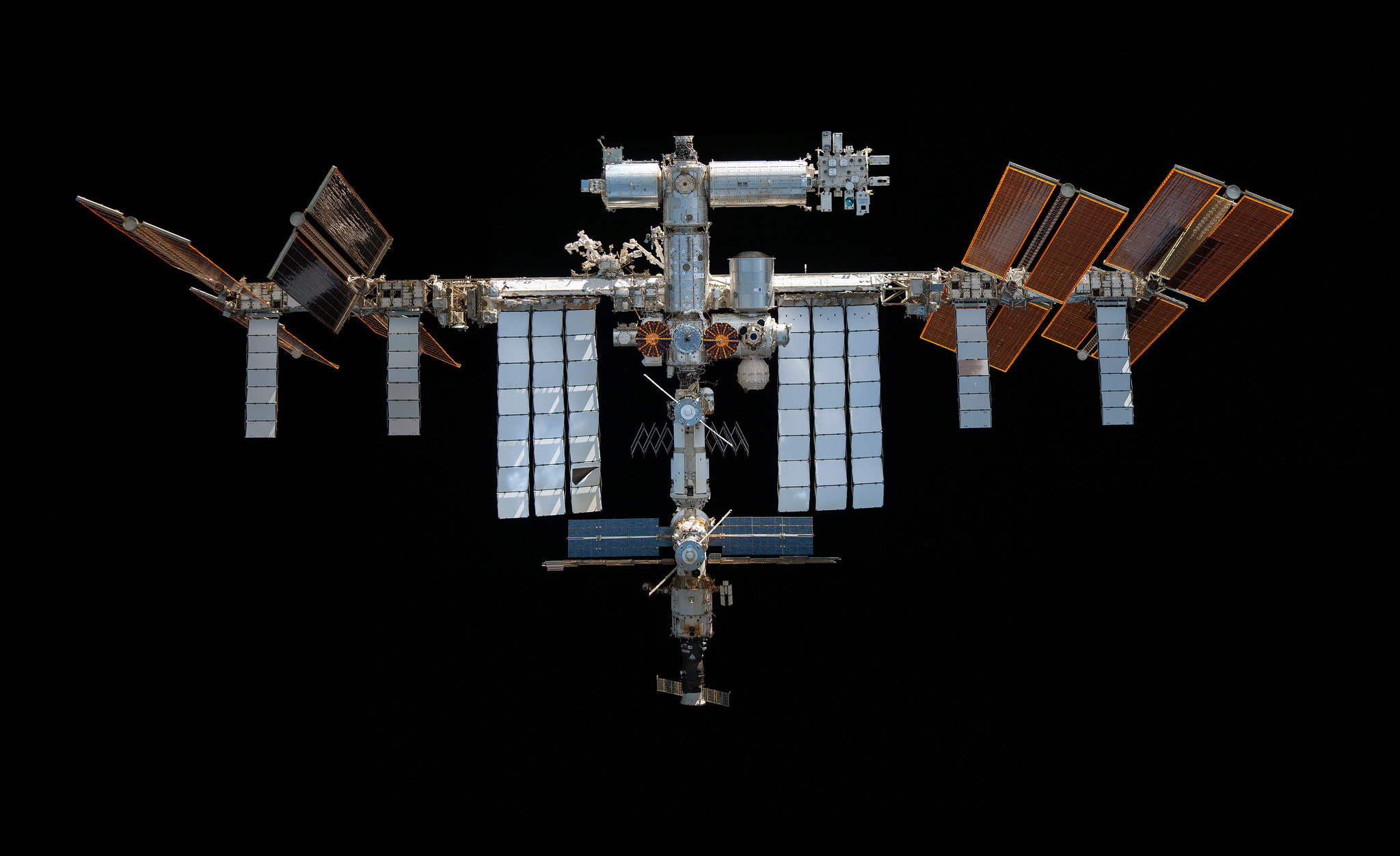
Photo: Eureka
2026-06-06 07:29 Astronomy 66 


Recurring Air Leaks in ISS Russian Zvezda Module Prompt Temporary Precautionary Shelter in Crew Dragon
The International Space Station (ISS) experienced a brief precautionary measure on June 5, 2026, when NASA astronauts temporarily sheltered in the Crew Dragon Freedom spacecraft while Russian cosmonauts conducted checks related to ongoing air leaks in the Russian segment.
The leaks are located in the PrK transit chamber of the Zvezda module, a critical component launched in 2000 that houses living quarters and control systems for the Russian side.This module, originally intended for the Mir 2 station, has a history of small structural cracks causing air loss dating back to 2019.Initial leaks were minor, around 0.5 kg per day, only slightly above the station's designed allowable leakage rate.Over the years, the rate fluctuated, peaking at 1.7 kg per day in 2024, prompting Roscosmos to seal the internal hatch and reduce pressure in the affected area to minimize loss.Repairs using a sealant called Guermetall-1 have been attempted, with some success, but leaks have persisted intermittently.On this occasion, three U.S.astronauts, one French astronaut, and a Russian astronaut aboard Crew-12, along with another crew member, moved to the Dragon for about 90 minutes as a safety precaution during pressure measurements.No major repairs were performed, and operations quickly returned to normal.
The NASA decision reflects caution regarding Russian repair plans, though both agencies continue necessary collaboration to maintain the ISS, which is expected to operate for at least another four years.
The incident generated dramatic headlines about an 'emergency evacuation,' but the article clarifies it was a short, low-risk procedure with no threat to crew safety or station integrity.
This event highlights the challenges of long-term space station maintenance, particularly with aging Russian hardware, while underscoring the importance of international cooperation in orbit.
2569
Original title: Las fugas de aire en el segmento ruso de la ISS y los astronautas refugiados brevemente en la Crew Dragon
The AI system has determined that this news is clickbait/sensationalist: : The original title uses dramatic language like 'refugiados' (refugees/sheltered) and highlights a brief, routine precaution as if it were a major emergency, which the article itself downplays as non-critical and short-lived. This has coincided with the opinion of the majority of users.
You may also be interested in...
Japan Successfully Launches the First H3-30 Rocket Variant on Test Mission Carrying Six Small Satellites
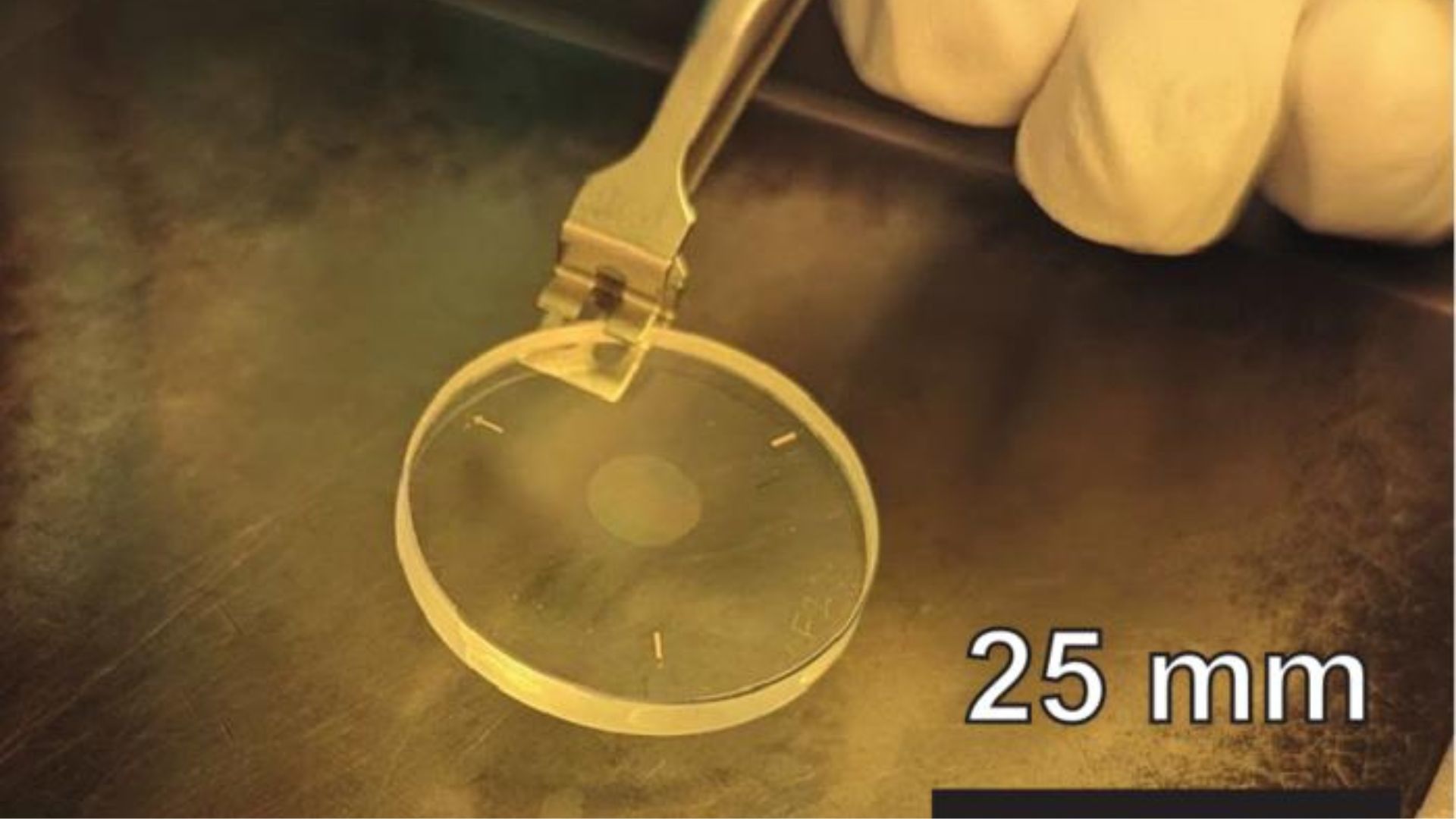 Space-Qualified 6 mm Metasurface Lens Demonstrates Satellite-Level Solar Magnetic Field Measurements
 NASA Announces Artemis III Test Mission Crew Featuring ESA Astronaut Luca Parmitano