
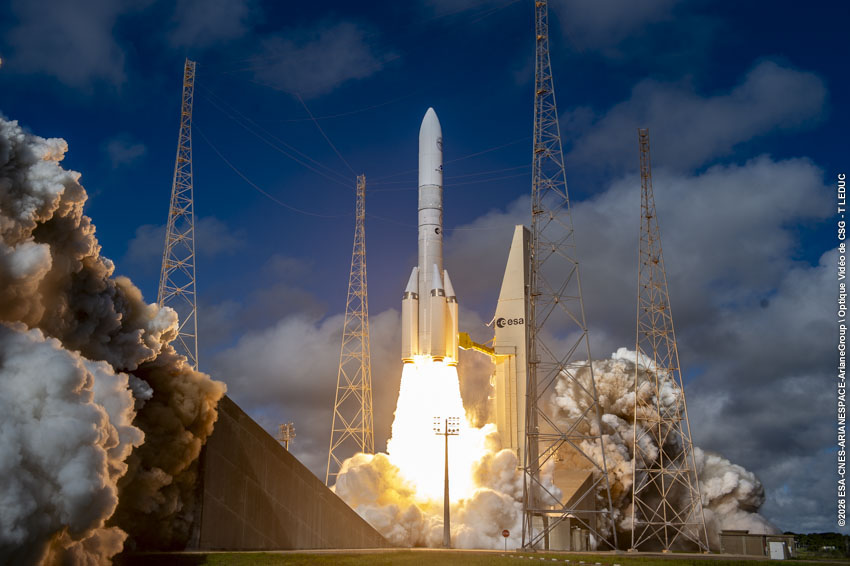
 Ariane 6 Debuts More Powerful P160C Boosters on Amazon Leo Satellite Mission
KillBait - News highlights delivered clearly and responsibly—no clickbait, no sensationalism
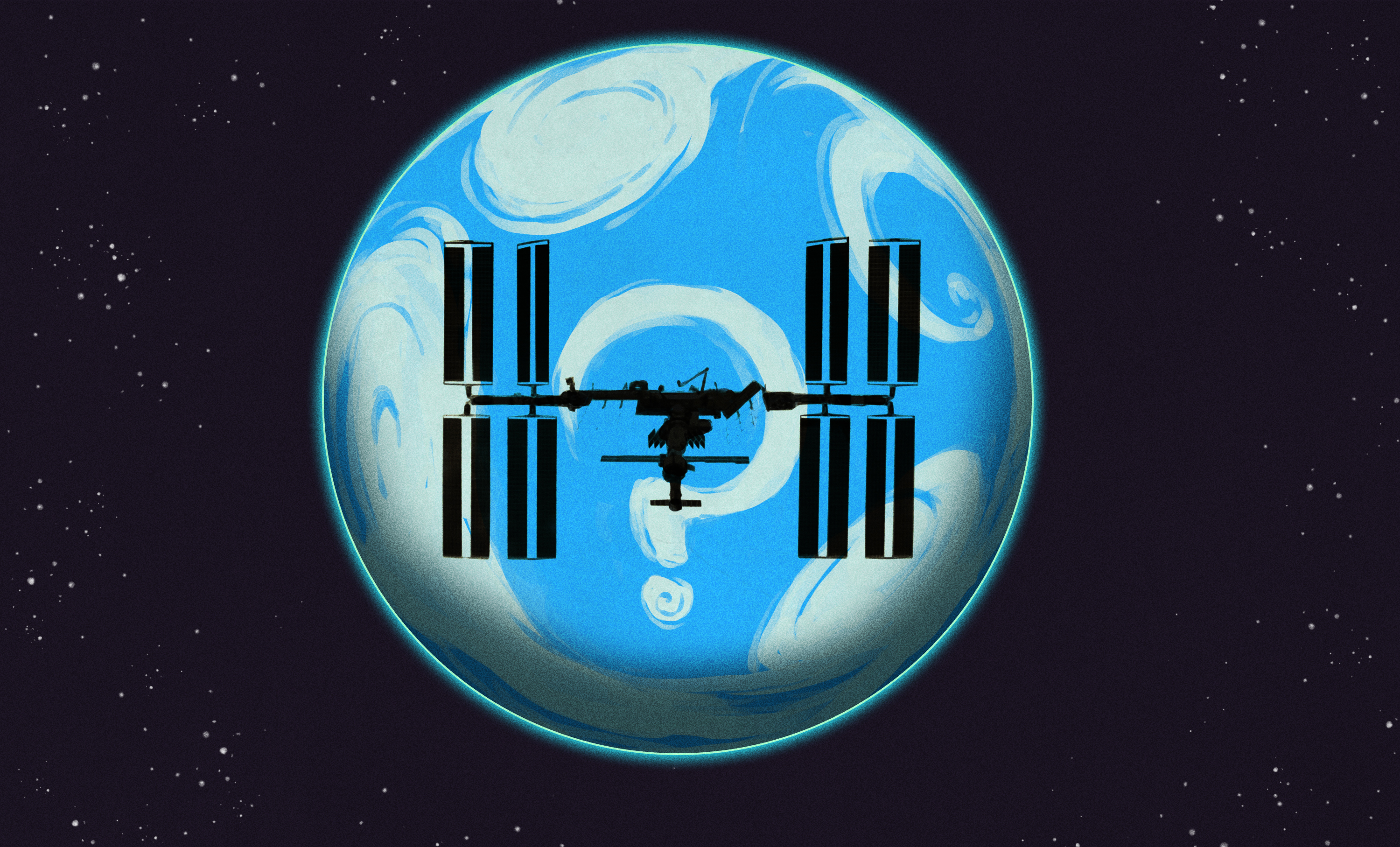
Photo: Hackaday
2026-06-19 20:58 Astronomy 10 


Russia May Permanently Seal the Leaking Zvezda Transfer Compartment on the ISS to Reduce Risk
The article examines a possible response by Roscosmos to persistent air leaks originating from the Transfer Chamber (PrK) of the Russian Zvezda module aboard the International Space Station (ISS).
Earlier in June 2026, tensions arose when Russian cosmonauts planned to drill and cut into the aging module in an attempt to locate and repair the source of the leaks.
NASA reportedly objected to the procedure because of concerns about potential risks to station safety, leading astronauts to temporarily prepare for a possible emergency return to Earth.The repair effort was ultimately abandoned.
According to reports cited in the article, Russia may instead choose to permanently isolate the leaking compartment by closing the hatch that connects the PrK to the rest of the station.
The leaks are believed to be cracks within the internal transfer structure rather than breaches of the station’s outer hull, making isolation a practical way to reduce atmospheric loss.While this would not repair the damage, it would significantly limit the impact of the leak.
Sealing the compartment would make one docking port inaccessible for crew and cargo transfers, but the ISS has alternative docking locations that can support most operations.
Some resupply functions, including the transfer of gases, water, and propellants from Progress spacecraft, could continue because the necessary plumbing connections are external to the sealed area.
The article also discusses concerns about future station reboost maneuvers, which are normally performed using spacecraft attached to Zvezda’s rear docking port.If structural concerns prevent continued use of that location, alternative reboost methods from the U.S.segment may be required.Overall, the proposed solution reflects a pragmatic approach to managing aging ISS hardware during the station’s final years of operation.
2186
Original title: What Happens If Russia Shuts The Door On Their Leaky ISS Module?
The AI system has determined that this news is not clickbait/sensationalist: : The title is framed as a question, but it accurately reflects the article's main topic and does not use exaggerated or misleading language. It invites discussion of a real operational scenario rather than sensationalizing the situation. This has coincided with the opinion of the majority of users.
You may also be interested in...
Ariane 6 Debuts More Powerful P160C Boosters on Amazon Leo Satellite Mission
 NASA ends MAVEN mission after spacecraft failure, concluding key Mars atmospheric loss research
 NASA’s Nancy Grace Roman Space Telescope Nears August Launch to Map the Universe and Study Dark Energy