
 Asean meeting faces South China Sea tensions as US and China clash
KillBait - News highlights delivered clearly and responsibly—no clickbait, no sensationalism
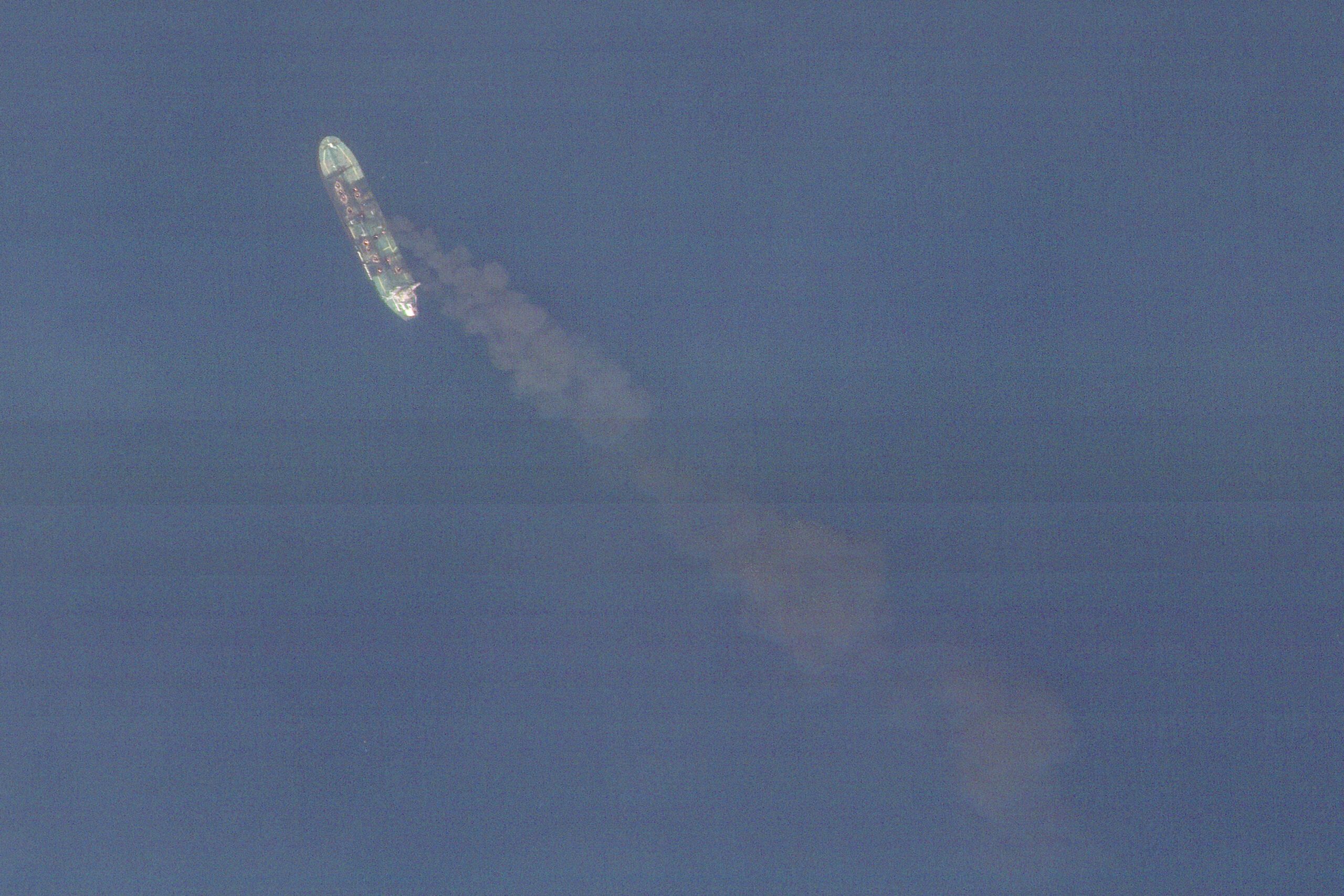
Photo: RAPPLER
2026-07-22 05:33 Geopolitics 10


Saudi Oil Tankers Change Route as Houthi Threats Deepen Regional Conflict and Disrupt Key Shipping Lanes
Two oil tankers carrying Saudi crude to China and India reversed course in the Red Sea after Yemen's Iran-aligned Houthi movement threatened to attack vessels involved in transporting Saudi oil.
The move followed the Houthis' announcement of a naval blockade against Saudi Arabia, widening the ongoing conflict involving the United States, Iran, Israel, and regional armed groups.
The development has raised fresh concerns over the security of two of the world's most important energy shipping routes: the Bab el-Mandeb Strait and the Strait of Hormuz.
With access through the Strait of Hormuz already heavily disrupted by the conflict, the Red Sea had become Saudi Arabia's primary alternative export route.The latest threats now place both routes at risk, increasing fears of supply disruptions.Oil prices responded by rising more than 2%, with Brent crude trading above US$91 per barrel.
Meanwhile, the US military continued airstrikes across Iran for an 11th consecutive night, targeting military facilities, missile sites, air defence systems, and maritime capabilities.
Iranian authorities reported explosions in several cities, while health officials said dozens of civilians had been killed and hundreds wounded in the recent strikes.
Iran also launched attacks against US military facilities in Bahrain, Kuwait, and Jordan, while maritime authorities reported damage to tankers in the Strait of Hormuz.US President Donald Trump warned that Washington would respond if the Houthis completely blocked the Bab el-Mandeb Strait.
The conflict has also placed additional financial pressure on the United States, with Defence Secretary Pete Hegseth telling lawmakers that military operations have already cost tens of billions of dollars.Diplomatic efforts continue, with mediators seeking a temporary ceasefire, although fighting across the region remains intense.
2189
Original title: Tankers with Saudi crude turn back as Houthis open new front in US-Iran war
The AI system has determined that this news is not clickbait/sensationalist: : Hindi maituturing na clickbait ang pamagat dahil malinaw nitong inilalarawan ang pangunahing pangyayari sa balita. Ipinapakita nito na umatras ang mga oil tanker dahil sa banta ng Houthis at inilalagay ang insidente sa konteksto ng lumalawak na sigalot sa pagitan ng US at Iran, nang walang labis na eksaherasyon o mapanlinlang na pahayag. This has coincided with the opinion of the majority of users.
You may also be interested in...
Asean meeting faces South China Sea tensions as US and China clash
 US Condemns China's Actions in West Philippine Sea Clash During Rubio's Manila Visit
 Philippines Condemns China's Actions in West Philippine Sea Amid Diplomatic Tensions