
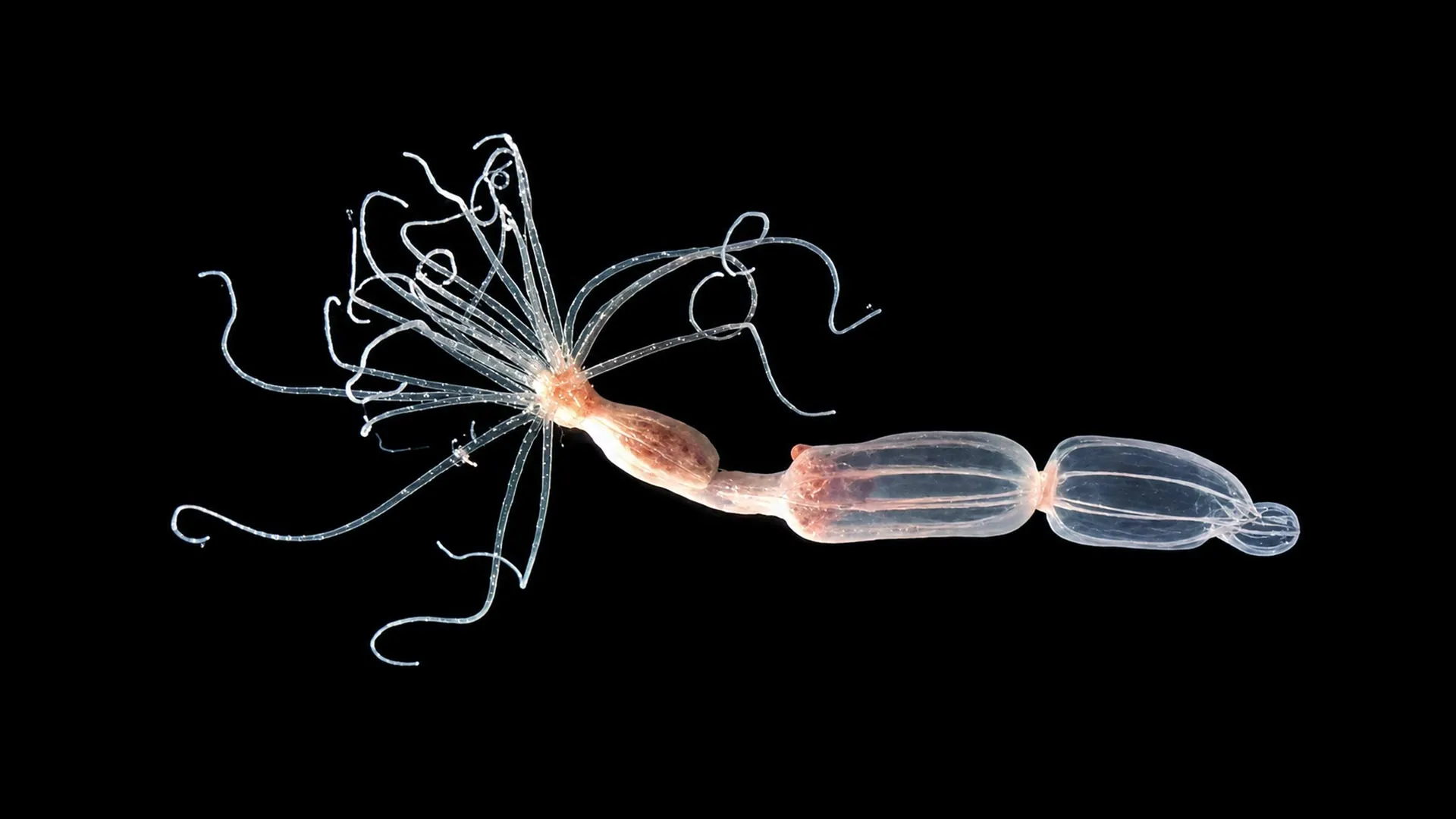
 Sea anemone study reveals alternative antiviral immune system and new evolutionary strategies
KillBait - News highlights delivered clearly and responsibly—no clickbait, no sensationalism

Photo: Fox News
2026-07-04 08:49 Science 11 


Scientists Create Synthetic Cell with Key Life Functions in Lab
Researchers at the University of Minnesota have developed a synthetic cell called SpudCell, which demonstrates fundamental life processes such as growth, DNA replication, division, and trait inheritance.
The cell, constructed entirely from nonliving components, operates under controlled laboratory conditions requiring external nutrients and specialized components.
While the study, published as a preprint on bioRxiv, represents a significant step toward artificial life, the synthetic cells cannot survive outside lab environments and rely on purified E.coli ribosomes.The team introduced genetic mutations enabling faster-growing cells to dominate populations, showcasing natural selection.
However, the system remains less capable than natural cells, with only 30% of daughter cells inheriting the complete synthetic genome after five generations.
The research highlights both scientific advancements and potential biosafety concerns, with future goals focusing on improving self-sufficiency and natural mutation processes.
The work underscores the complexity of recreating life's characteristics from nonliving materials, raising ethical and security questions about synthetic biology's future applications.
2206
Original title: 'Milestone': Scientists claim to build synthetic cell, raising concerns in step toward artificial life
The AI system has determined that this news is clickbait/sensationalist: : The original title uses sensationalist language like 'raising concerns' and 'step toward artificial life' to attract attention, while the content focuses on incremental scientific progress rather than speculative risks. This has coincided with the opinion of the majority of users.
You may also be interested in...
Sea anemone study reveals alternative antiviral immune system and new evolutionary strategies
 Citizen scientists and social media help identify a newly recorded parasitoid wasp in Japan
 Rockstar Games faces criticism over workplace practices and pay disparities