
 Tanzania Pharmacy Council to End Recognition of One-Year Dispensers from December 2026
KillBait - News highlights delivered clearly and responsibly—no clickbait, no sensationalism
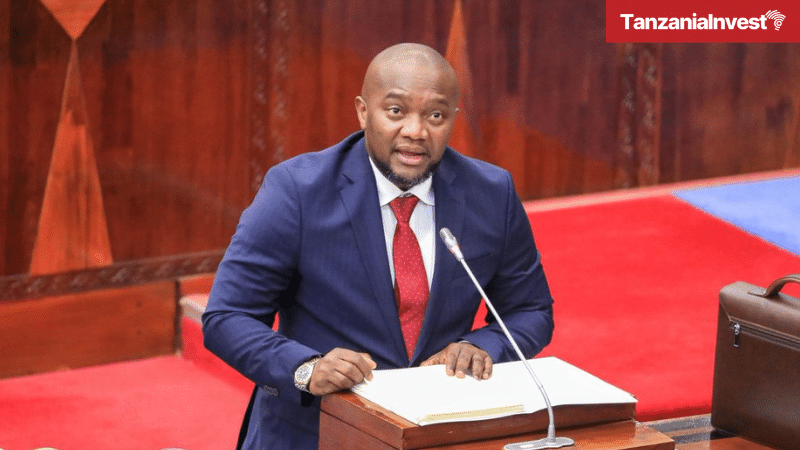
Photo: TanzaniaInvest
2026-05-28 13:44 Health 10 


Tanzania Health Budget 2026/27 Allocates TZS 1.8 Trillion to Boost Local Drug Production and Health System Expansion
Tanzania’s Ministry of Health has presented a TZS 1.8 trillion budget for the 2026/27 financial year, focusing strongly on expanding healthcare infrastructure, improving service delivery, and strengthening local pharmaceutical production.
The budget was tabled in Parliament by the Minister of Health, with 64% of the total allocation directed toward development spending, while the remaining portion covers recurrent costs such as salaries and operational expenses.
A major highlight of the plan is the government’s ambition to increase domestic production of medicines and health products, aiming to reach 80% self-sufficiency by 2030.This includes investment in pharmaceutical factories, research laboratories, and incentives for both local and foreign investors.The budget also supports the construction of a new Muhimbili National Hospital valued at TZS 1.2 trillion, designed to modernise specialist healthcare services and reduce the need for overseas referrals.
In addition, the government continues to expand Universal Health Insurance, which has already enrolled hundreds of thousands of citizens, especially from low-income households.
The health sector has shown notable progress in recent years, including increased health facilities, improved diagnostic equipment, and better maternal and child health outcomes.
The budget also prioritises digital health systems, artificial intelligence integration, and the expansion of specialist services across regional hospitals.
Overall, the 2026/27 health budget reflects Tanzania’s long-term strategy to strengthen healthcare access, improve quality of services, and reduce dependency on imported medical supplies while building a more resilient and self-sustaining health system.
Full reading at TanzaniaInvest
2186
Original title: Tanzania Health Budget 2026/2027 of TZS 1.8 Trillion Backs Local Drug Manufacturing Drive Toward 80% Self-Sufficiency by 2030
The AI system has determined that this news is clickbait/sensationalist: : The original title is extremely long, combines multiple unrelated topics, and includes promotional and multi-sector keywords, which makes it appear overloaded and partially sensational rather than a focused news headline. This has coincided with the opinion of the majority of users.
You may also be interested in...
Tanzania Pharmacy Council to End Recognition of One-Year Dispensers from December 2026
 Experts call for broader reforms beyond strict laws to address unsafe abortions in Tanzania
 Mobile Surgical Unit Brings Specialist Healthcare Closer to Communities