
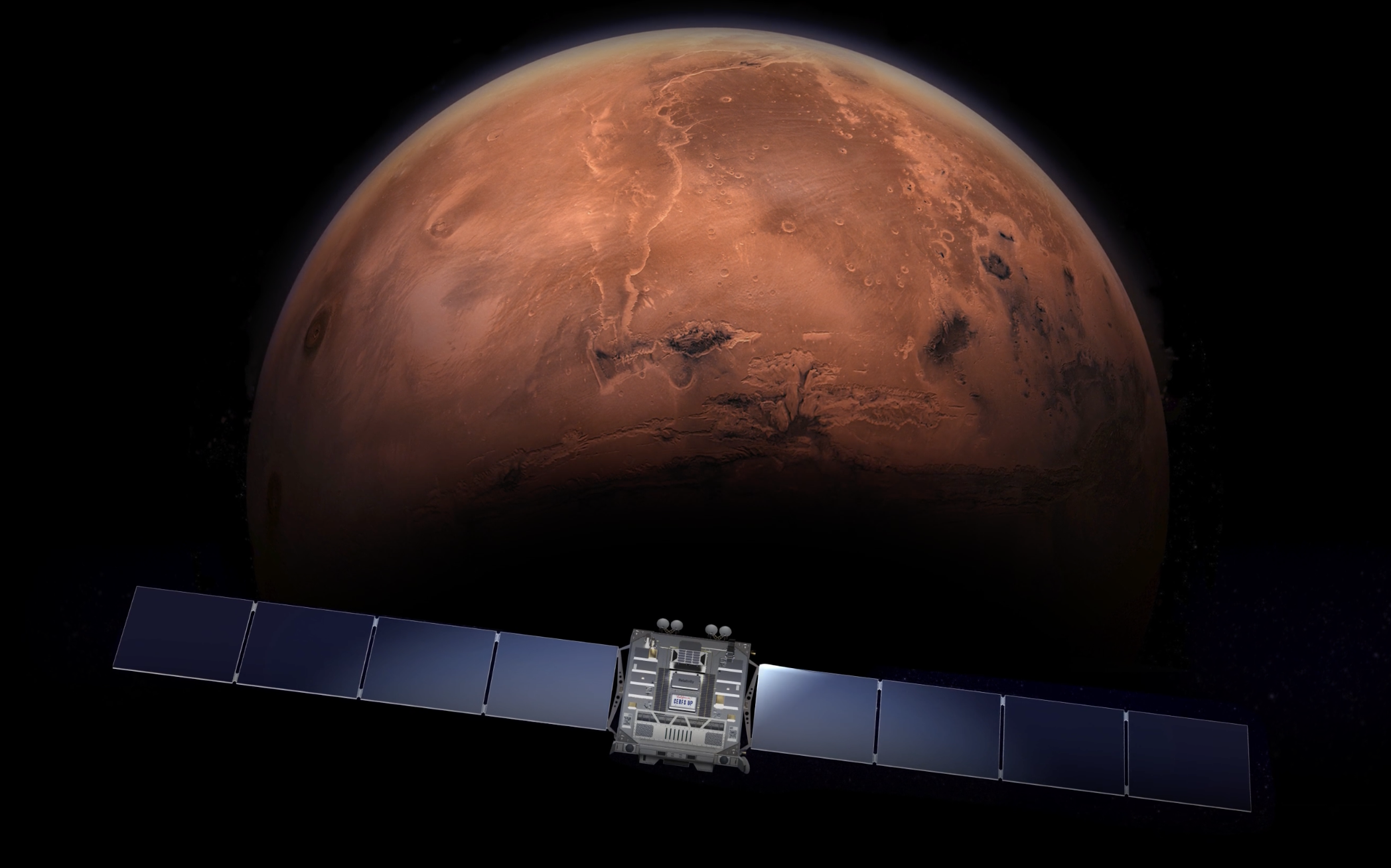
 Relativity Space Plans Private Mars Orbiter with NASA Scientific Instruments for 2028 Launch
KillBait - News highlights delivered clearly and responsibly—no clickbait, no sensationalism
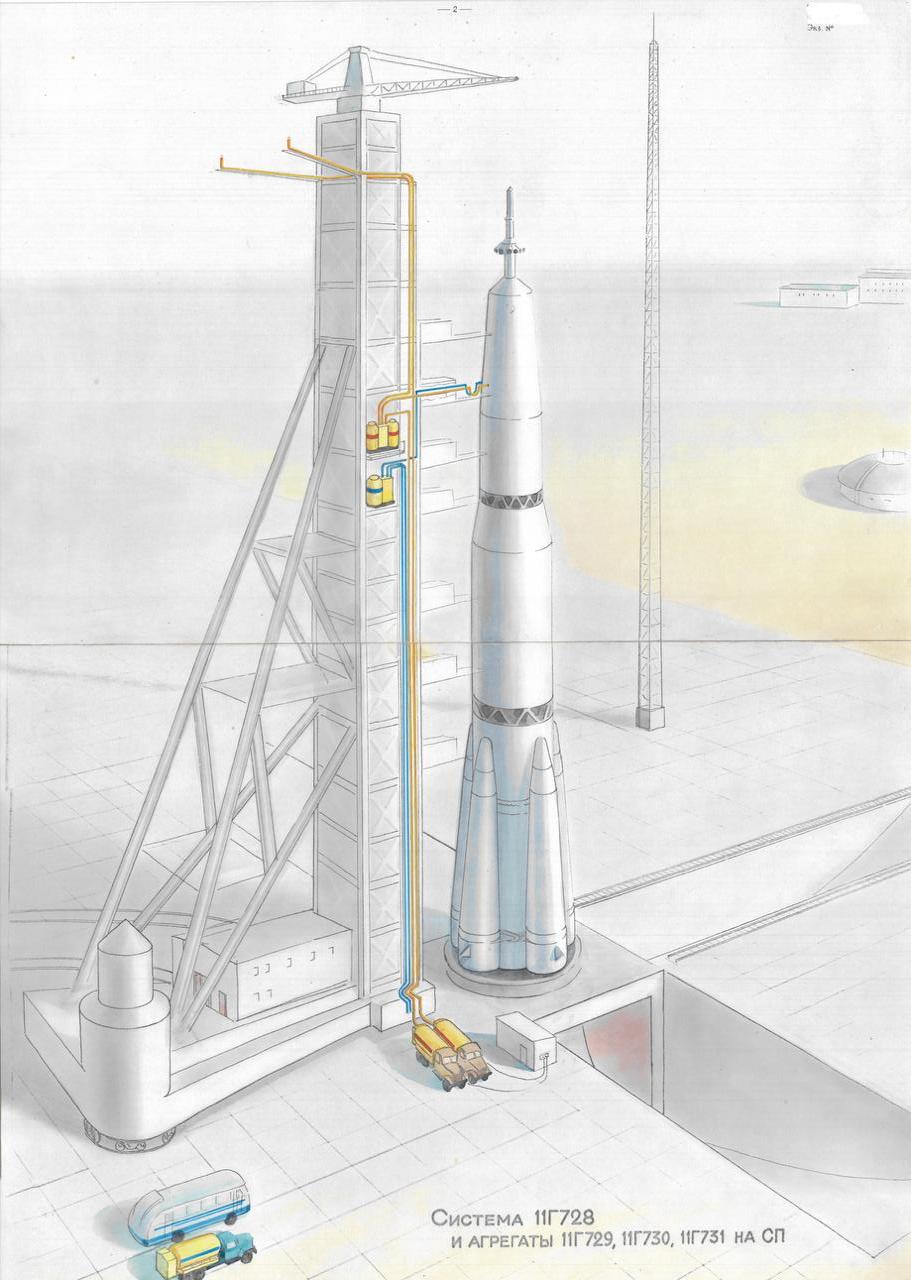
Photo: Eureka
2026-06-22 03:53 Astronomy 12 


The Unbuilt N1F and N1M: Soviet Super-Heavy Launch Vehicle Concepts Beyond the N1 Moon Rocket
This article examines the N1F and N1M, two advanced Soviet super-heavy rocket concepts that were intended to improve upon the N1 launch vehicle developed for the USSR’s crewed lunar program.
The original N1 was designed to send a Soyuz LOK spacecraft and LK lunar lander toward the Moon, but its payload capacity of approximately 95 metric tons to low Earth orbit was significantly lower than the American Saturn V.As a result, Soviet engineers considered the lunar mission architecture risky and began studying larger and more capable launch vehicles.The N1F family included several upgraded versions of the N1, with launch masses between roughly 3,000 and 3,200 metric tons.Some variants incorporated a hydrogen-powered upper stage, increasing payload capacity to as much as 120–125 metric tons.Others relied on improved kerosene-fueled stages and more powerful NK-33 engines, raising performance while retaining much of the original design.The most basic N1F version could have delivered about 105 metric tons to orbit.An even more ambitious proposal was the N1M, first outlined in 1969.
This massive rocket was designed to match or exceed the Saturn V, with an estimated payload capacity of 150 metric tons and a height of approximately 135 meters.Larger propellant tanks, additional engines, and a hydrogen-fueled third stage were key features.
Later studies envisioned versions capable of placing up to 175 metric tons in orbit, while more speculative nuclear-powered variants could theoretically have reached 180–210 metric tons.Despite these plans, none of the upgraded rockets were built.Following four failed N1 launches, the program was frozen and later canceled under the leadership of Valentin Glushko.
The Soviet space program instead shifted toward the Energia launch vehicle, whose engine technology evolved from concepts developed after the N1's cancellation.
2224
Original title: N1F y N1M, los cohetes soviéticos más potentes
The AI system has determined that this news is not clickbait/sensationalist: : The original title is descriptive and accurately reflects the article's content. It does not use sensational language, exaggeration, or misleading claims, and clearly indicates that the article discusses the N1F and N1M Soviet rocket designs. This has coincided with the opinion of the majority of users.
You may also be interested in...
Relativity Space Plans Private Mars Orbiter with NASA Scientific Instruments for 2028 Launch
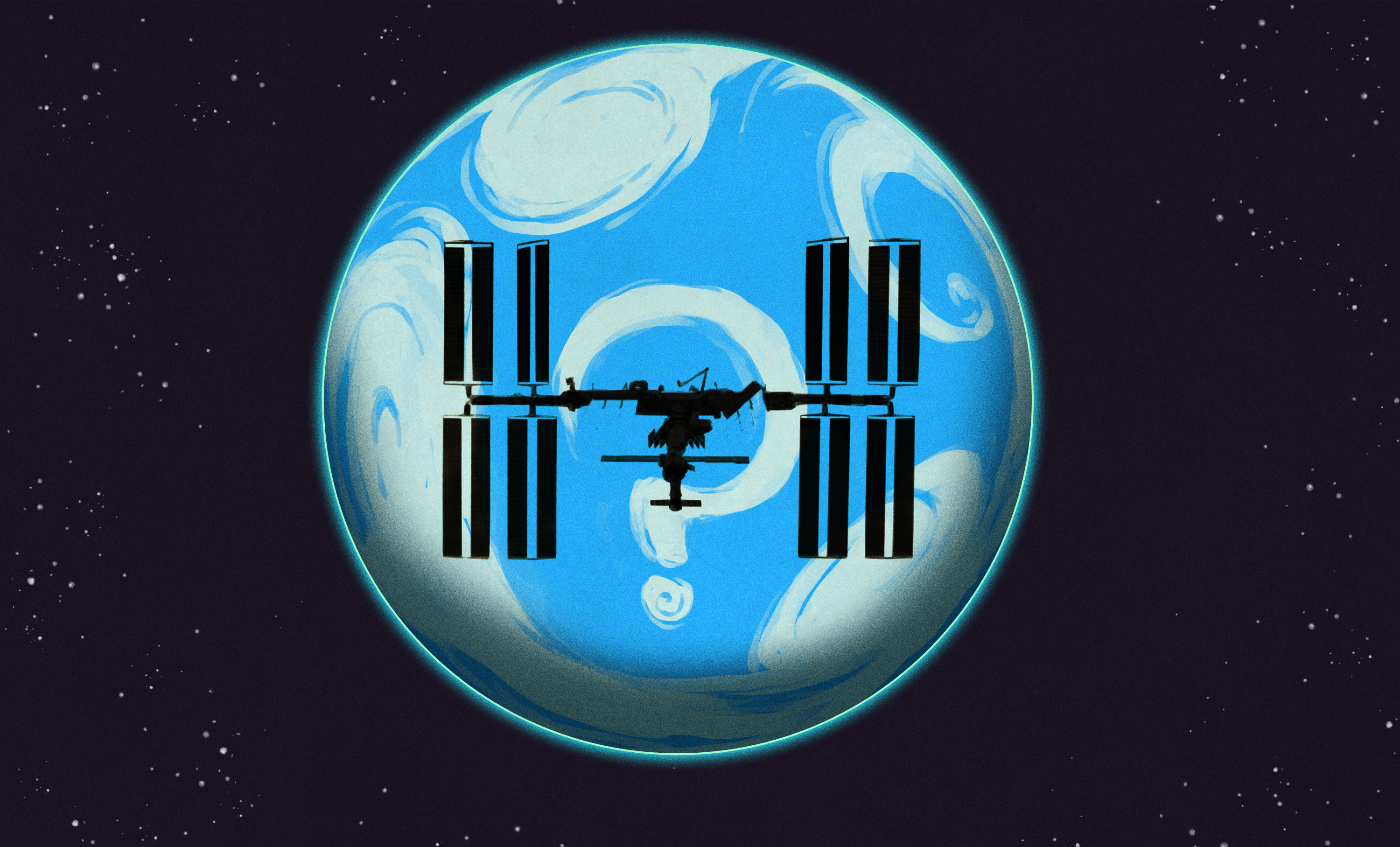 Russia May Permanently Seal the Leaking Zvezda Transfer Compartment on the ISS to Reduce Risk
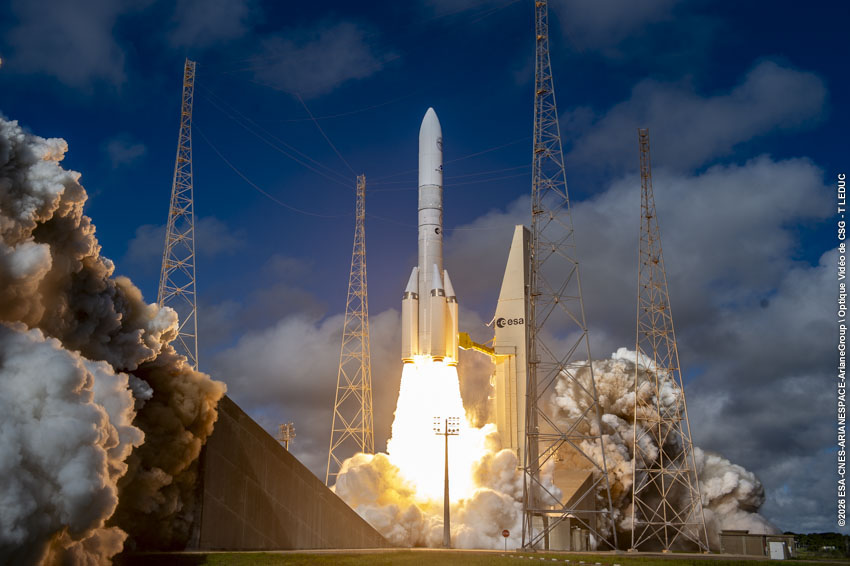 Ariane 6 Debuts More Powerful P160C Boosters on Amazon Leo Satellite Mission