
 DA lays criminal charges over alleged Ekurhuleni tender irregularities linked to luxury jet trip
KillBait - News highlights delivered clearly and responsibly—no clickbait, no sensationalism
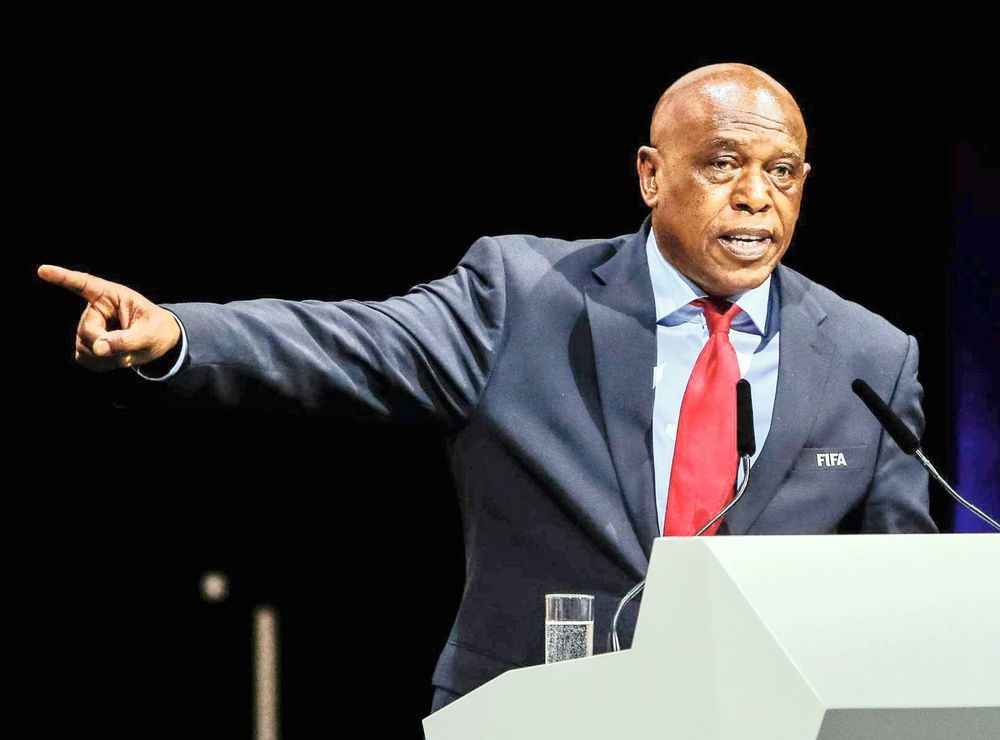
Photo: IOL
2026-05-25 02:01 Politics 15 


Tokyo Sexwale questions Ramaphosa’s Phala Phala explanation and calls for accountability
Veteran South African businessman and former ANC leader Tokyo Sexwale has publicly criticised President Cyril Ramaphosa’s explanation regarding the Phala Phala farm scandal, describing it as unbelievable and calling for greater accountability.
Speaking in an interview on the SMWX podcast with Sizwe Mpofu-Walsh, Sexwale rejected Ramaphosa’s version of events, particularly the claim that US dollars stolen from the president’s Limpopo farm originated from a legitimate sale of cattle and game to Sudanese businessman Hazim Mustafa.
Ramaphosa has maintained that the cash was kept at the farm for safekeeping before being deposited in a bank, and that it was stolen prior to being declared.
Sexwale, however, labelled this explanation a “cock and bull story”, arguing that it defies logic that a foreign buyer would arrive in South Africa, leave a large amount of undeclared cash at a farm, and depart without proper financial or customs compliance.
He further stated that the matter should be tested before the parliamentary impeachment committee, insisting that the president must answer detailed questions about the origin and handling of the funds.
Sexwale also questioned claims about the businessman’s entry into the country, referencing airport and SARS records, and suggested inconsistencies in the official narrative.
Beyond the immediate allegations, Sexwale warned that the scandal is damaging public trust in key state institutions, including the South African Police Service (SAPS), the South African Revenue Service (SARS), and the South African Reserve Bank (SARB).He suggested that a full inquiry could reveal institutional failures or possible complicity.
His remarks come amid ongoing parliamentary processes following a Constitutional Court ruling that ordered further investigation into the Section 89 panel report on the matter.
The National Assembly has since moved to establish an impeachment committee to review the findings and determine whether further action against the president is warranted.
2274
Original title: Sexwale slams Ramaphosa's account of Phala Phala farm scandal as 'cock and bull story'
The AI system has determined that this news is not clickbait/sensationalist: : The original title uses the phrase 'cock and bull story', which is quoted but still slightly sensational; however, it reflects direct speech from the interview rather than exaggerated editorial framing. Therefore, it is not considered strongly clickbait. This has coincided with the opinion of the majority of users.
You may also be interested in...
DA lays criminal charges over alleged Ekurhuleni tender irregularities linked to luxury jet trip
 NFP tribunal confirms expulsion of KZN MEC Mbali Shinga after disciplinary proceedings
 King Misuzulu Confirms Former Private Secretary Still Active in Royal Duties