
 Escalation of Conflict Between Israel and Hezbollah Hits Beirut and Northern Israel
KillBait - News highlights delivered clearly and responsibly—no clickbait, no sensationalism
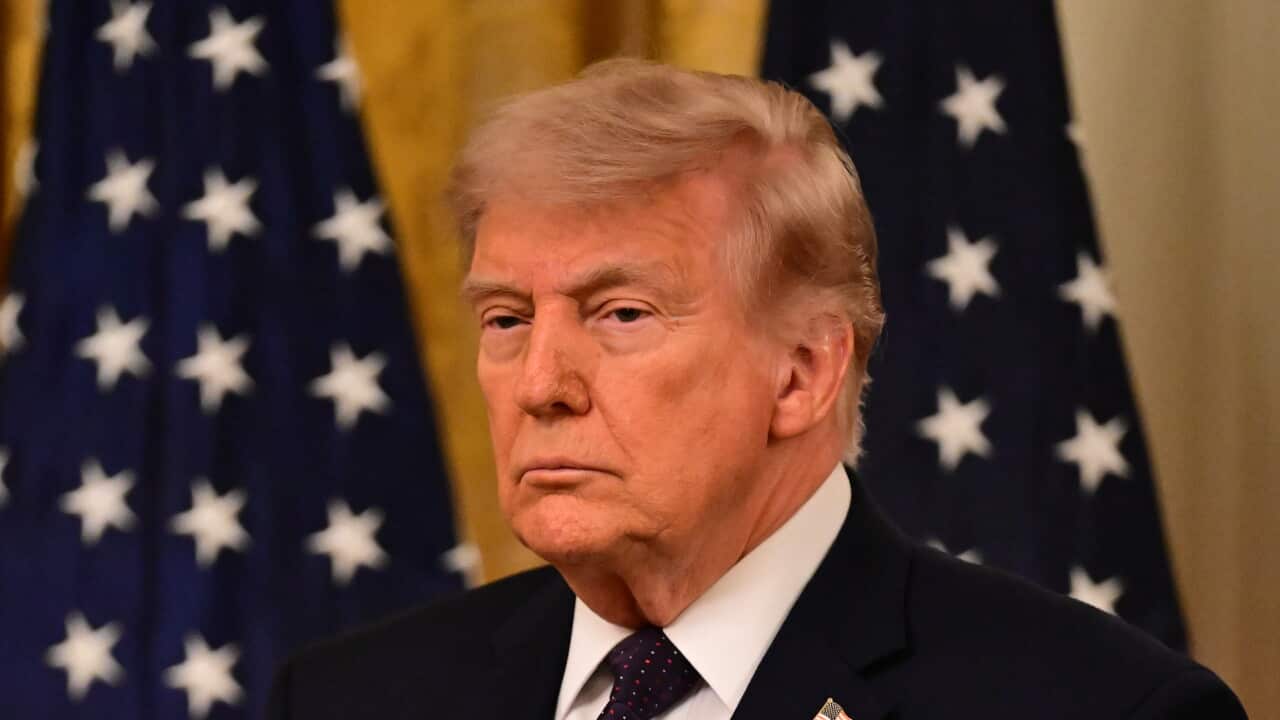
Photo: SBS Australia
2026-05-28 20:13 Conflict 12 


US-Iran escalation continues amid stalled peace talks, while Israel intensifies strikes in southern Lebanon
Tensions have escalated sharply in the Middle East as the United States and Iran continue exchanging military strikes amid stalled negotiations aimed at ending the ongoing conflict and reopening key trade routes such as the Strait of Hormuz.
US President Donald Trump stated he was “not satisfied” with Iran’s latest proposal in peace talks and warned that further action, including “finishing the job,” remained on the table if no agreement is reached.
US forces reportedly carried out additional strikes on southern Iran, including targeting a ground control station in Bandar Abbas, while also intercepting Iranian drones deemed a threat in the region.
In response, Iranian forces claimed responsibility for retaliatory action against a US military base, further intensifying fears of broader regional escalation.Iranian officials have suggested that while a return to full-scale war is unlikely, military forces remain on high alert.The situation remains highly volatile, particularly around the Strait of Hormuz, a critical global oil shipping route.
At the same time, Israel has expanded its military operations in Lebanon, declaring parts of the south a combat zone and ordering civilian evacuations.Israeli strikes targeted Hezbollah infrastructure near the city of Tyre following evacuation warnings.Residents were instructed to move north of the Zahrani River as Israel warned of intensified operations.
The escalation comes despite a ceasefire framework in place, with ongoing strikes across southern and eastern Lebanon causing significant displacement and casualties.
The overlapping conflicts involving the US, Iran, Israel, Lebanon, and Hezbollah have raised concerns about regional stability, energy security, and the potential for a wider confrontation affecting global markets and shipping routes.
2226
Original title: US and Iran trade strikes as peace deal stalemate drags; Israel targets Lebanon's south
The AI system has determined that this news is clickbait/sensationalist: : The original title is sensational and misleading because it prominently promotes FIFA World Cup 2026 streaming, which is unrelated to the actual geopolitical conflict described in the article, making it clickbait. This has coincided with the opinion of the majority of users.
You may also be interested in...
Escalation of Conflict Between Israel and Hezbollah Hits Beirut and Northern Israel
 Local Sudanese responders warn of neglect amid ongoing civil war and unequal global humanitarian attention
 Israeli airstrikes in southern Lebanon kill 12, including children, amid rising tensions