
 Japan Successfully Launches the First H3-30 Rocket Variant on Test Mission Carrying Six Small Satellites
KillBait - News highlights delivered clearly and responsibly—no clickbait, no sensationalism
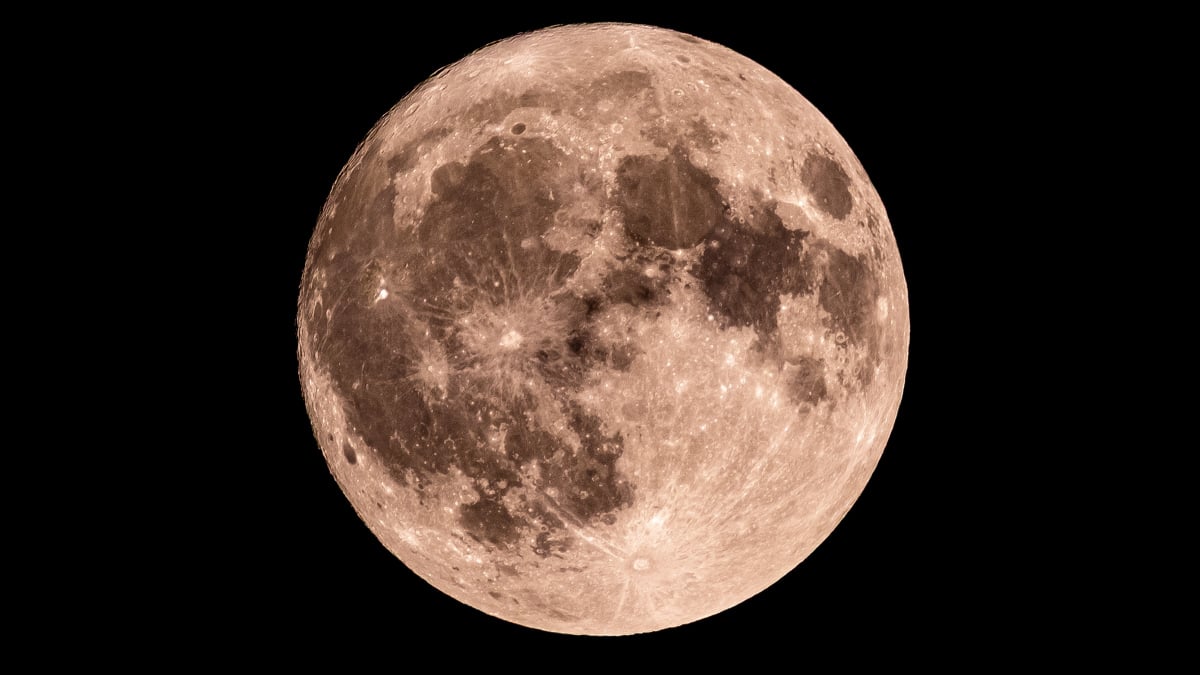
Photo: Mashable
2026-06-16 21:14 Astronomy 10 


Waxing Crescent Moon Visible on June 16 With 7% Illumination After the New Moon
The article explains the Moon’s appearance on June 16, 2026, following the recent New Moon phase.According to NASA’s Daily Moon Guide, the Moon is now in its Waxing Crescent phase, with approximately 7% of its visible surface illuminated.
After being largely invisible during the New Moon, the Moon is beginning to reappear in the evening sky and will become increasingly visible over the coming nights as more of its sunlit surface faces Earth.
The report notes that the next Full Moon is expected on June 29, marking the point in the lunar cycle when the Moon’s Earth-facing side is fully illuminated.The article also provides a brief educational overview of the lunar cycle.NASA states that the Moon takes about 29.5 days to orbit Earth, progressing through eight recognized phases.
Although the same side of the Moon always faces Earth, the amount illuminated by sunlight changes depending on the Moon’s position relative to Earth and the Sun.
The phases described include New Moon, Waxing Crescent, First Quarter, Waxing Gibbous, Full Moon, Waning Gibbous, Third Quarter (or Last Quarter), and Waning Crescent.Each phase reflects a different amount of visible illumination.The article emphasizes that these changes create the familiar monthly pattern of lunar appearances observed from Earth.
Overall, the piece serves as a daily update on the Moon’s current phase while also offering readers a concise explanation of how the lunar cycle works.
2186
Original title: Moon phase today explained: What the Moon will look like on June 16, 2026
The AI system has determined that this news is not clickbait/sensationalist: : The title accurately describes the content of the article and clearly indicates that it provides information about the Moon’s appearance and phase on a specific date. It does not use exaggerated, sensational, or misleading language. This has coincided with the opinion of the majority of users.
You may also be interested in...
Japan Successfully Launches the First H3-30 Rocket Variant on Test Mission Carrying Six Small Satellites
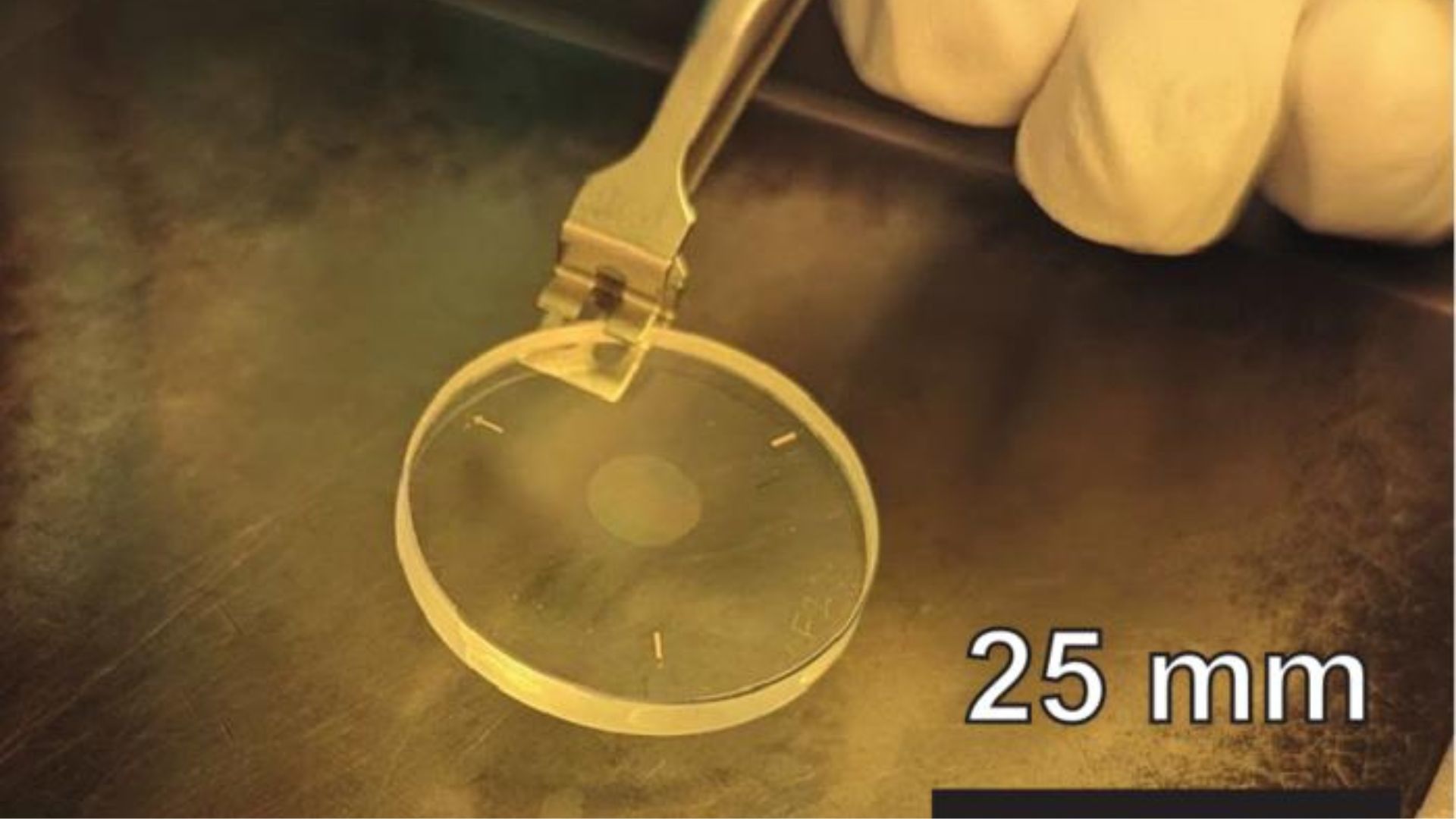 Space-Qualified 6 mm Metasurface Lens Demonstrates Satellite-Level Solar Magnetic Field Measurements
 NASA Announces Artemis III Test Mission Crew Featuring ESA Astronaut Luca Parmitano