
 Zamfara Communities Suffer Deadly Attack As Security Agencies Fail To Respond
KillBait - News highlights delivered clearly and responsibly—no clickbait, no sensationalism
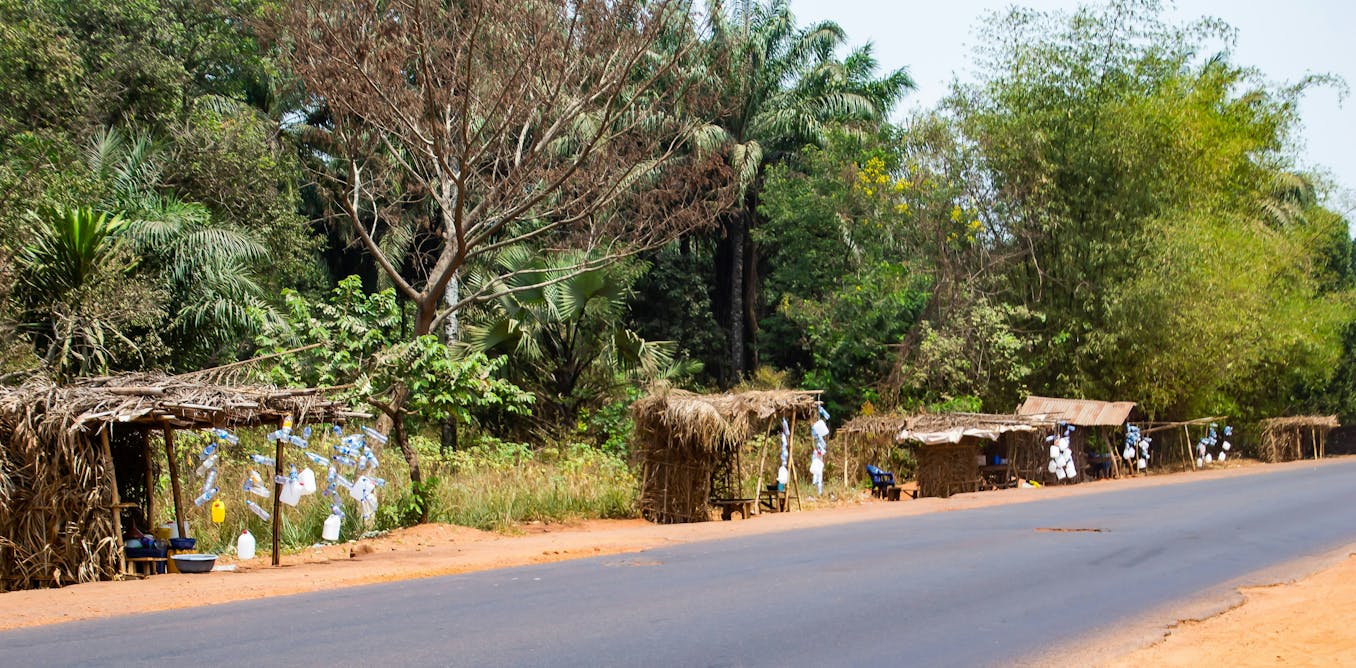
Photo: The Conversation
2026-07-27 22:32 Conflict 10


Why people stay in Nigeria’s conflict zones despite being able to flee
The article explores why people in Nigeria’s conflict zones, particularly in the Middle Belt, choose to remain in their communities despite repeated attacks by armed herders.
While many assume everyone who can escape will leave, research shows that thousands stay due to deep ties to ancestral land, traditional ways of life, and fear of losing their cultural identity.
Communities in Benue and Nasarawa states face violence, displacement, and lack of government protection, yet some refuse to flee, believing their survival depends on staying connected to their heritage.Farmers and herders clash over land and resources, with conflicts escalating due to environmental pressures, discrimination, and weak governance.The study highlights that staying is not about preferring violence but about preserving a way of life that feels meaningful.One community member stated, 'This land is where I was born...If I die in my house for what belongs to me, let me die.' The article urges policymakers and humanitarian groups to understand these complex decisions rather than focusing solely on migration.
Full reading at The Conversation
2186
Original title: Nigeria’s conflict zones: why people stay even when they can leave
The AI system has determined that this news is clickbait/sensationalist: : The original title uses sensational language to highlight a surprising fact about people staying in conflict zones, which is typical of clickbait headlines. This has coincided with the opinion of the majority of users.
You may also be interested in...
Zamfara Communities Suffer Deadly Attack As Security Agencies Fail To Respond
 UN Appeals For Evacuation Of 6,000 Stranded Sailors In Hormuz Strait
 Nigerian Army Declares Private Wanted Over Alleged Illegal Supply of Military Uniforms to Criminal Groups