
 Driver of CHADEMA Deputy Chairperson Found Dead in Kigoma Guest House as Police Investigate
KillBait - News highlights delivered clearly and responsibly—no clickbait, no sensationalism
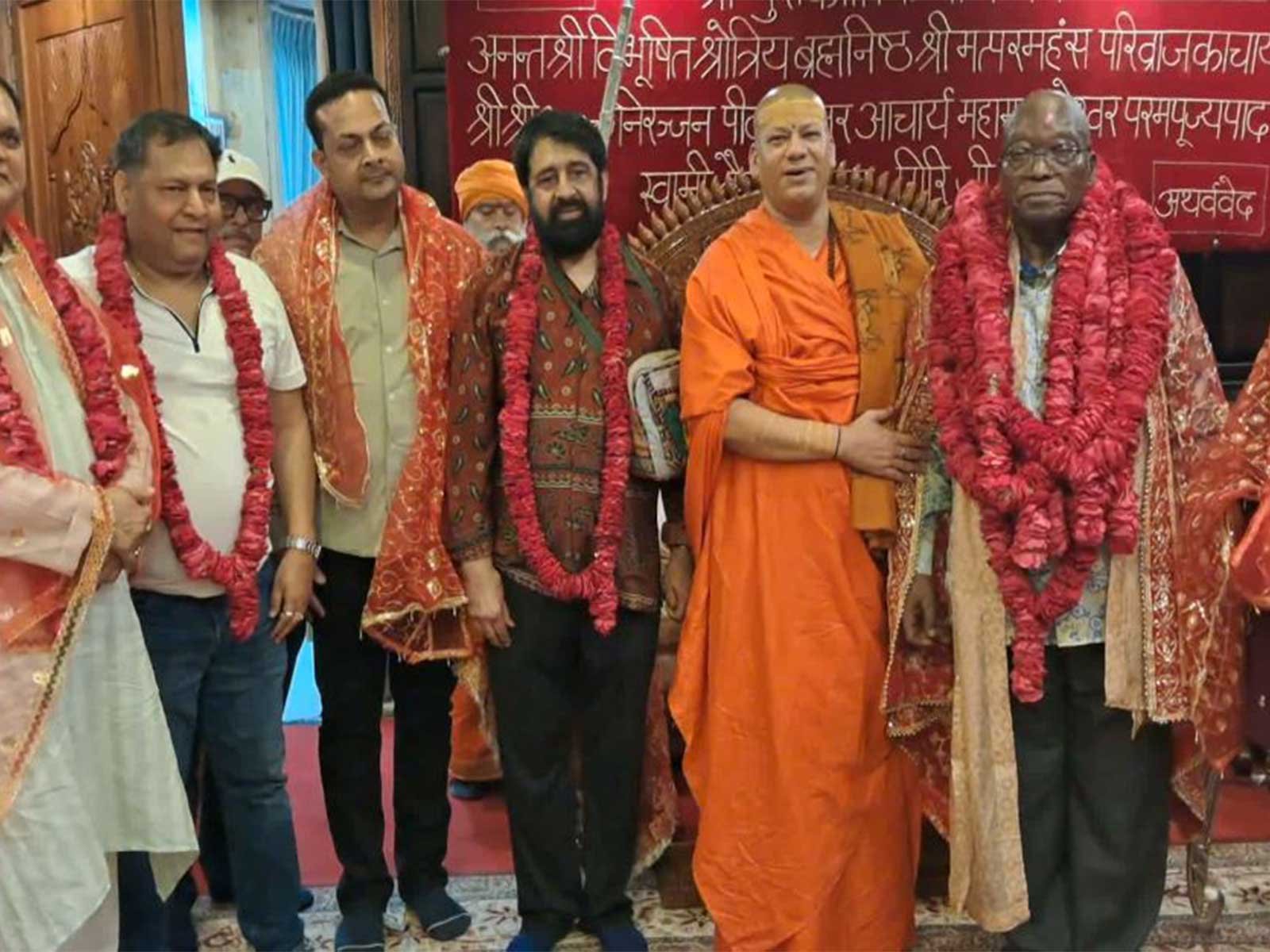
Photo: The Africa Report
2026-07-03 09:02 Politics 13 


Zuma’s renewed links with the Gupta family revive South Africa’s state capture debate
Nearly a decade after the state capture scandal shook South Africa and ended Jacob Zuma’s presidency, fresh controversy has emerged following reports and photographs showing Zuma reunited with Ajay Gupta in India.
The Gupta family, long accused of exerting undue influence over state decisions during Zuma’s administration, remains central to one of the most damaging corruption narratives in post-apartheid South Africa.
The images reportedly taken in Haridwar, India, also included South Africa’s High Commissioner to India, Anil Sooklal, which has raised further questions about the nature and implications of the visit.
Critics argue that the appearance of official diplomatic presence alongside Zuma and a member of the Gupta family risks reopening unresolved political wounds and undermining ongoing efforts to distance the state from past corruption networks.
The Gupta brothers, Ajay, Atul, and Rajesh, were previously implicated in extensive allegations of influencing cabinet appointments, securing state contracts, and shaping government policy through their relationship with Zuma, a period widely referred to as “state capture.” Zuma has consistently denied wrongdoing and maintains political influence within certain factions of South African politics.
This latest development has reignited public debate about accountability, political accountability, and the long-term consequences of elite networks in governance.
It also places renewed pressure on South African diplomatic and political institutions to clarify the context of the India meeting and whether any official endorsement was involved.
As South Africa continues to deal with the legacy of corruption investigations and institutional reforms, this incident highlights how unresolved political relationships from the past continue to shape present-day perceptions and trust in leadership.
Full reading at The Africa Report
2241
Original title: South Africa: Why Jacob Zuma won’t let go of the Guptas
The AI system has determined that this news is not clickbait/sensationalist: : The title is direct and descriptive, clearly stating the subject (Jacob Zuma and the Gupta family) and the political issue involved. It does not use sensational language or exaggeration to attract clicks, so it is not considered clickbait. This has coincided with the opinion of the majority of users.
You may also be interested in...
Driver of CHADEMA Deputy Chairperson Found Dead in Kigoma Guest House as Police Investigate
 Tanzania to overhaul legal framework to support Vision 2050 development goals
 Tanzania introduces home UTI self-test kit to support early detection and timely care