
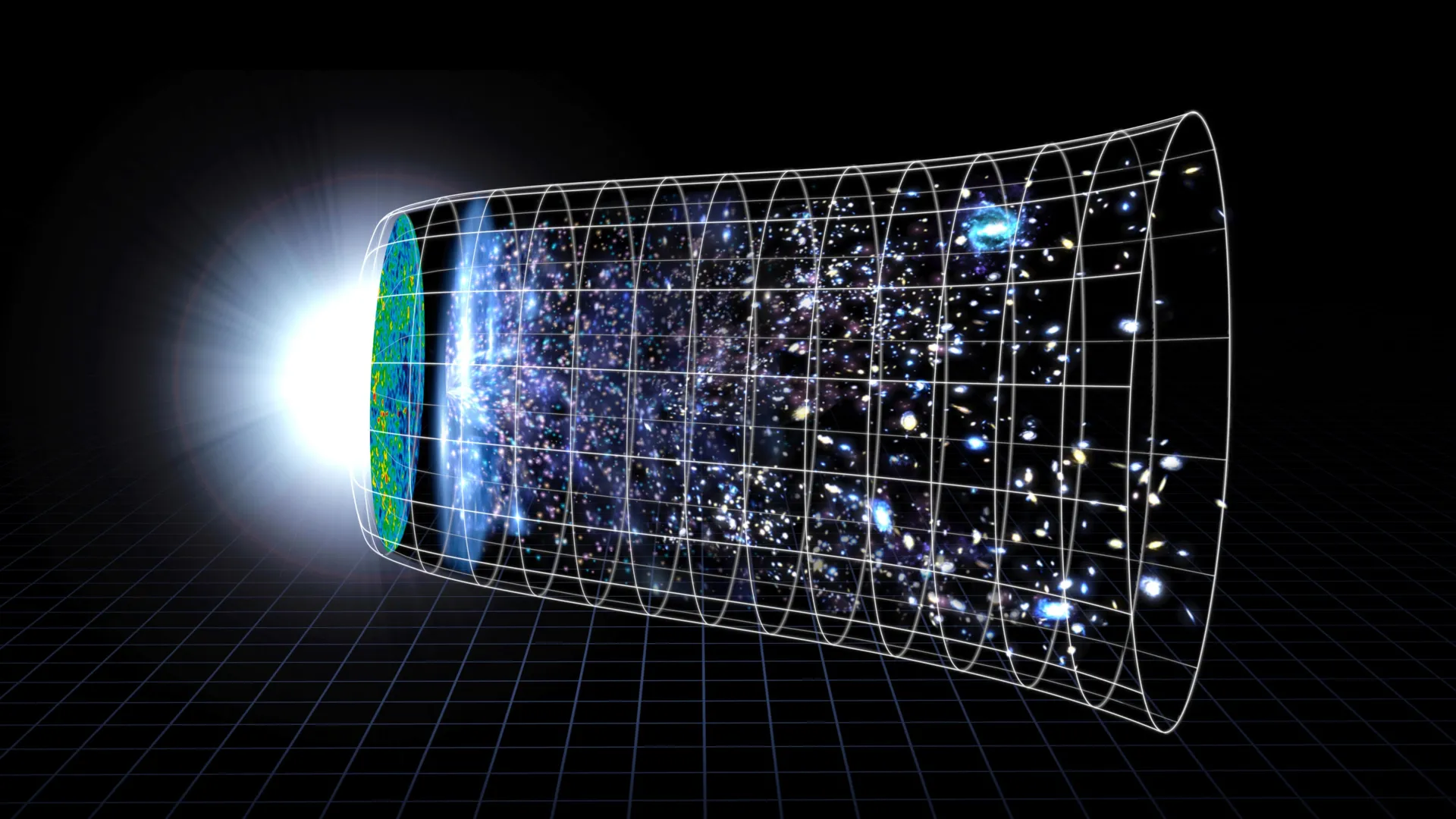
 Cosmic Expansion Allows Galaxies to Move Faster Than Light Without Violating Einstein's Rules
KillBait - News highlights delivered clearly and responsibly—no clickbait, no sensationalism
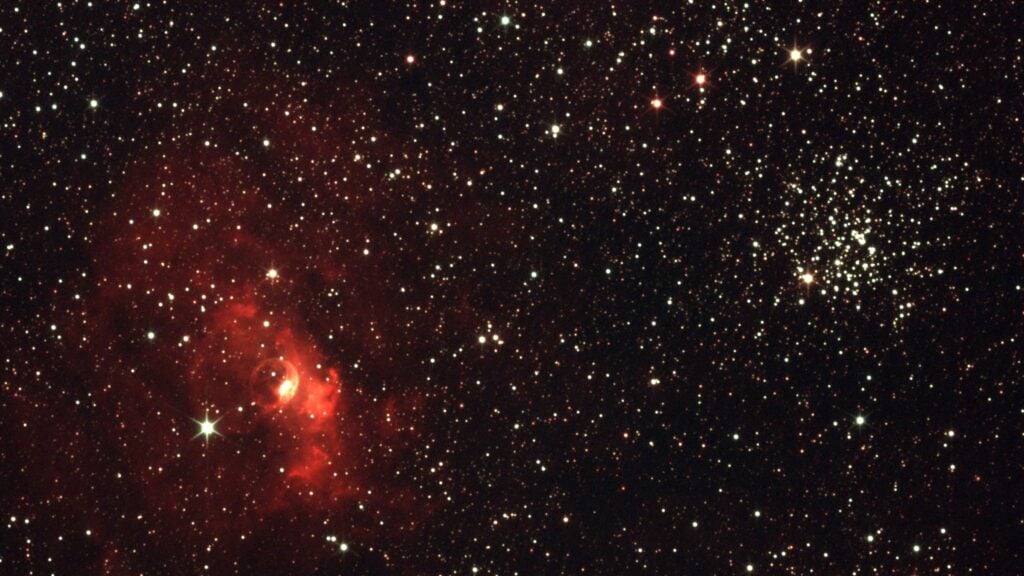
Photo: Space Daily
2026-07-26 15:24 Astronomy 10


GJ 887 d: A Potentially Habitable Exoplanet in the Red Dwarf's Zone
The article discusses the discovery of GJ 887 d, a super-Earth exoplanet orbiting a quiet red dwarf star.While its location within the habitable zone suggests potential for liquid water, the planet's characteristics remain uncertain.
The study highlights that the habitable zone is not a guarantee of habitability, as factors like atmospheric composition, geology, and stellar activity play critical roles.
GJ 887 d receives 81% of Earth's sunlight, with an equilibrium temperature of -32°C, but its mass (six times Earth's) and atmospheric conditions are unknown.The planet's star, GJ 887, is relatively calm compared to other red dwarfs, reducing risks of extreme flares.However, the absence of transits limits direct atmospheric analysis, making future observations crucial to determine if GJ 887 d could support life.
The article emphasizes the need for further research to understand this enigmatic world's potential for sustaining liquid water and habitable conditions.
2186
Original title: The second closest potentially habitable planet to Earth is not around a famous star; it is GJ 887 d, confirmed in 2026 around a quiet red dwarf 10.7 light-years away
The AI system has determined that this news is not clickbait/sensationalist: : The original title is not clickbait; it accurately reflects the article's focus on the scientific nuances of habitable zones rather than sensationalizing the discovery. This has coincided with the opinion of the majority of users.
You may also be interested in...
Cosmic Expansion Allows Galaxies to Move Faster Than Light Without Violating Einstein's Rules
 Type Ia Supernovae as Standard Candles in Cosmology
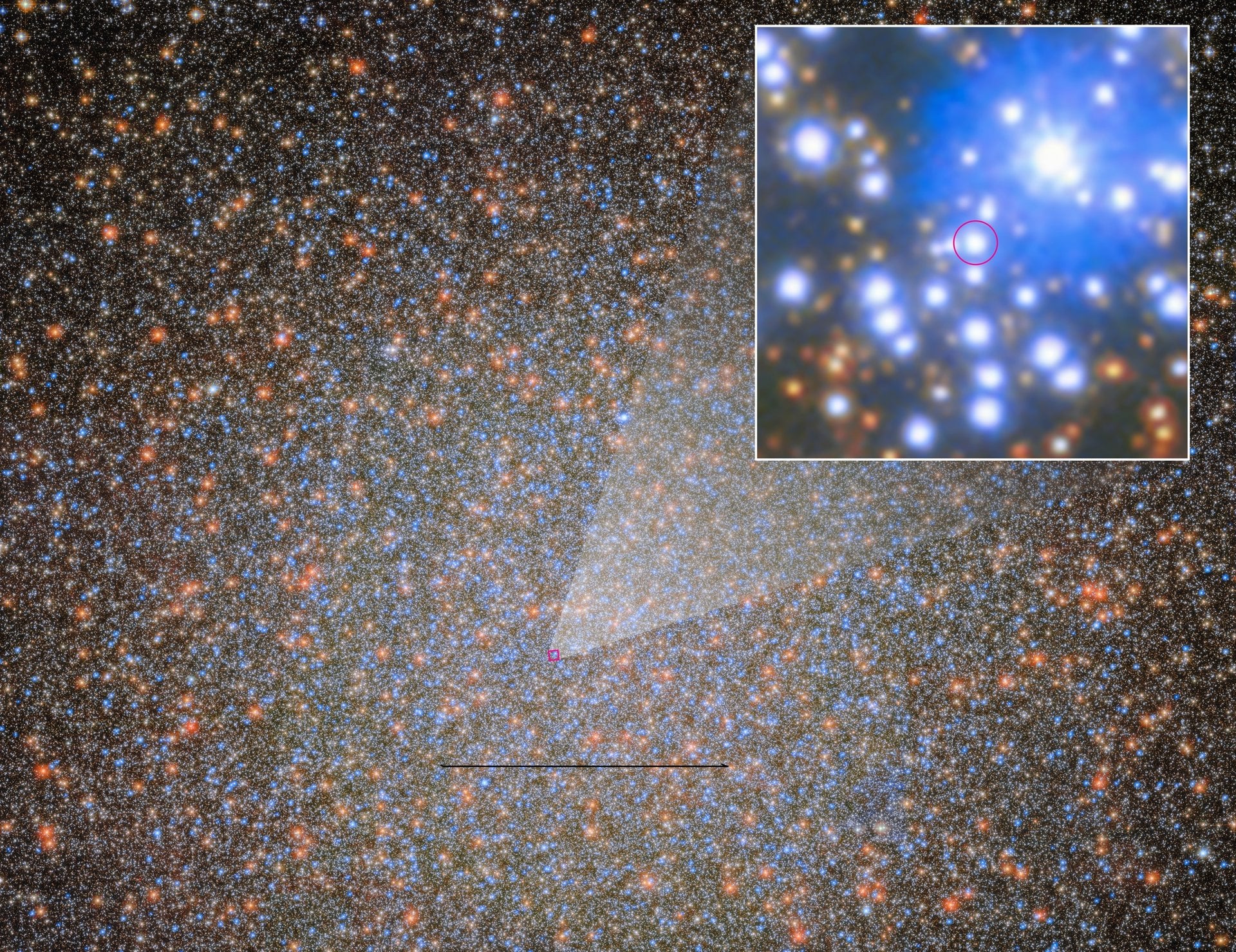 Astronomers Discover First Stellar-Mass Black Hole in Omega Centauri Cluster