
 Tensions rise in Western Australia’s Pilbara amid disputes over decarbonisation and net zero targets
KillBait - News highlights delivered clearly and responsibly—no clickbait, no sensationalism
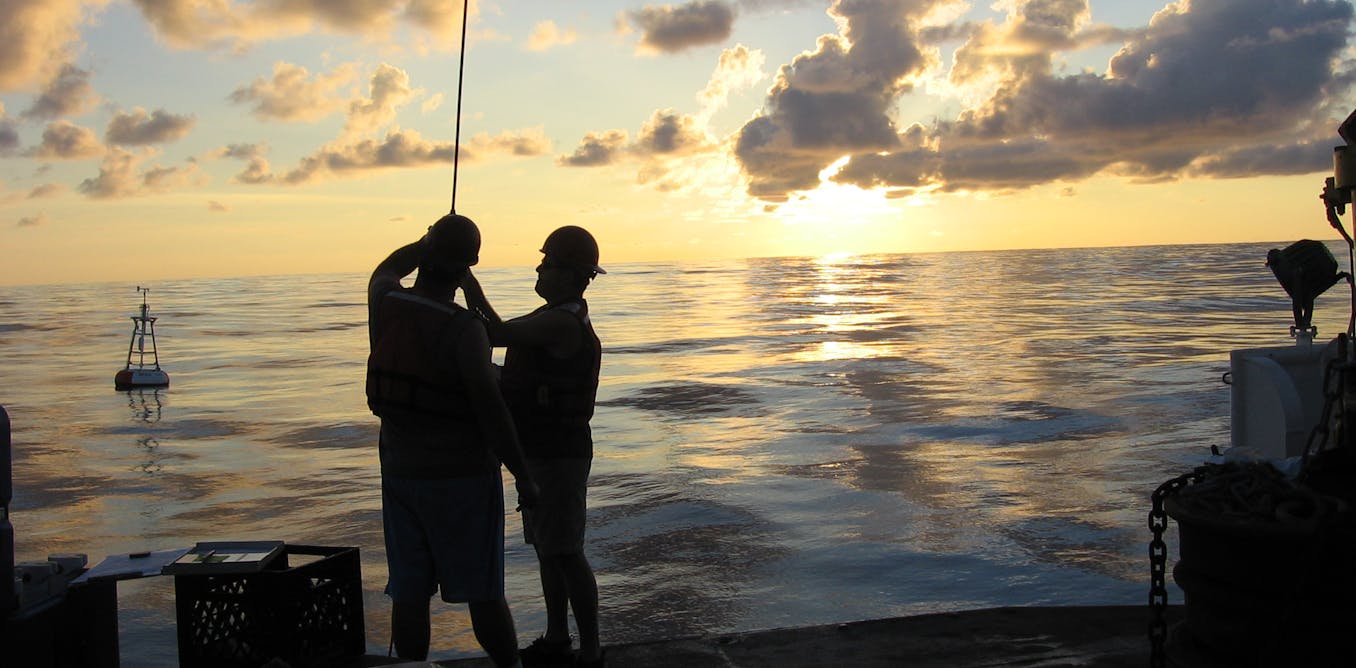
Photo: The Conversation
2026-05-23 03:11 Climate change 14 


Global Ocean Observing System at Risk Amid Growing Climate Demands
The Global Ocean Observing System (GOOS), a worldwide network of instruments including Argo floats, moored buoys, research vessels, underwater gliders, and sensor-equipped marine animals, provides critical data to monitor and predict oceanic and climate changes.This system underpins everything from daily weather forecasts to long-term climate models, seasonal agricultural predictions, and cyclone warnings.Yet, GOOS is under increasing strain.
Research indicates that if the United States were to withdraw its contributions, errors in ocean warming estimates would surge by 163%, due to the unique geographical coverage US instruments provide.Cuts to NOAA and NSF funding threaten this essential contribution, while European programmes also face financial pressures.China is attempting to build resilience in its national monitoring system but lacks sufficient resources.
Maintaining GOOS requires ongoing deployment and maintenance, such as replacing Argo floats every four to five years, a role New Zealand actively contributes to.Despite a total annual operating cost of around US$1.
1 billion, the system represents a high-return public investment compared with the economic losses from hurricanes, marine heatwaves, and climate-driven disasters.
Safeguarding and expanding international collaboration is essential to ensure the world continues to have reliable ocean data during a period of rapid climate change.
Full reading at The Conversation
2260
Original title: The network watching the world's oceans is under pressure -- just when it's needed most
The AI system has determined that this news is not clickbait/sensationalist: : The original title accurately conveys the main point of the article, highlighting the pressure on the ocean monitoring system at a critical time, without exaggeration or sensationalism. This has coincided with the opinion of the majority of users.
You may also be interested in...
Tensions rise in Western Australia’s Pilbara amid disputes over decarbonisation and net zero targets
 Updated climate scenarios phase out extreme worst-case emissions pathway as policy progress reshapes projections
 Meat consumption, masculinity myths, and their impact on climate goals