
 ACT Unveils Climate Strategy Beyond Net-Zero Targets
KillBait - News highlights delivered clearly and responsibly—no clickbait, no sensationalism

Photo: The Conversation
2026-07-23 03:47 Environment 10


Indigenous cultural values must shape conservation efforts for the Fitzroy River
The article highlights the critical role of Indigenous cultural values in environmental conservation, focusing on the Fitzroy River (Martuwarra) in Western Australia.For Traditional Custodians, the river is not just a waterway but a living entity central to their identity, kinship, and responsibility.Culturally significant entities—such as species, landscapes, and ecosystems—hold deep spiritual and livelihood importance for Indigenous communities.However, these values are often overlooked in national conservation policies, which prioritize ecological data over cultural significance.
The article discusses a project, Recognising Culturally Significant Entities, led by Aboriginal researchers and Traditional Custodians, which aims to integrate Indigenous knowledge into environmental management.
This framework emphasizes that cultural significance must be determined by Traditional Custodians themselves, as it is rooted in place, community, and knowledge systems.The Fitzroy River, recognized as a National Heritage Place, exemplifies the need to balance ecological and cultural values.Threats like mining, agriculture, and climate change underscore the urgency of protecting these connections.
The article argues that conservation must move beyond species and habitats to recognize the intrinsic link between people, culture, and Country, ensuring that Indigenous values inform sustainable management practices.
Full reading at The Conversation
2186
Original title: 'A river is our life force': why Indigenous cultural values must be visible in conservation
The AI system has determined that this news is not clickbait/sensationalist: : The original title uses emotive language ('life force') but does not employ overt clickbait tactics like exaggerated claims or sensationalist phrasing. This has coincided with the opinion of the majority of users.
You may also be interested in...
ACT Unveils Climate Strategy Beyond Net-Zero Targets
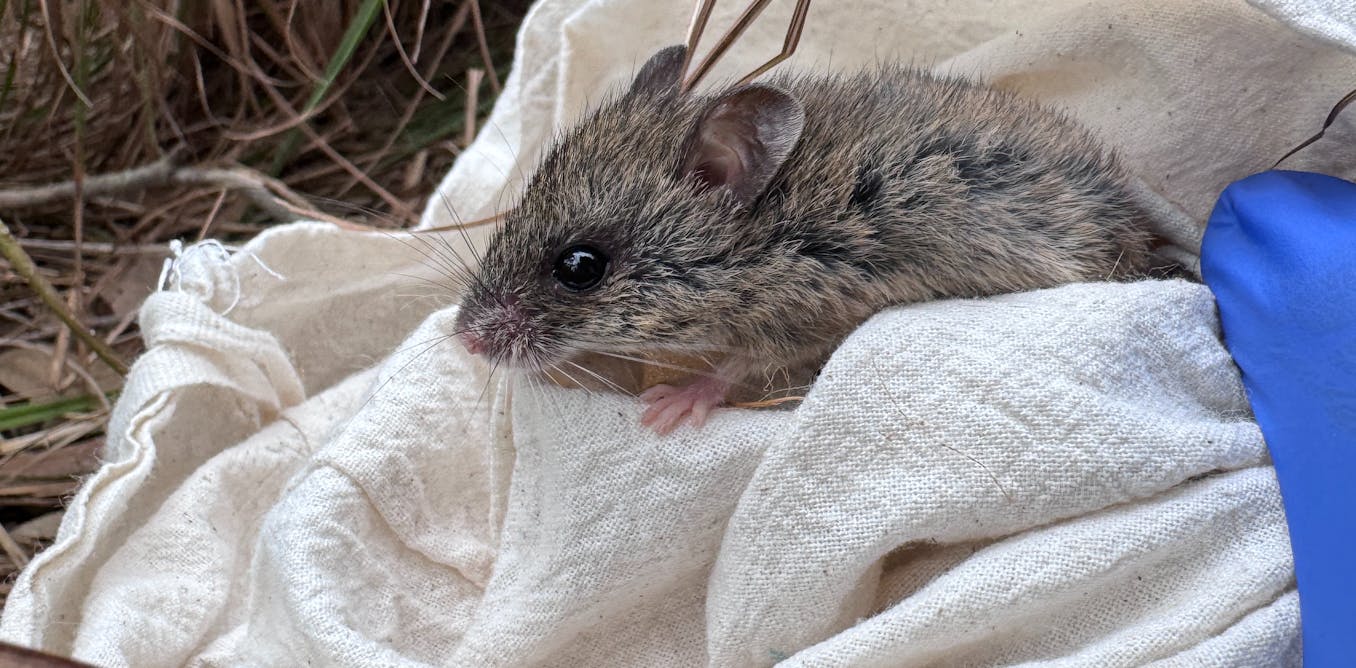 Study reveals alarming decline of rare pookila mouse in Queensland
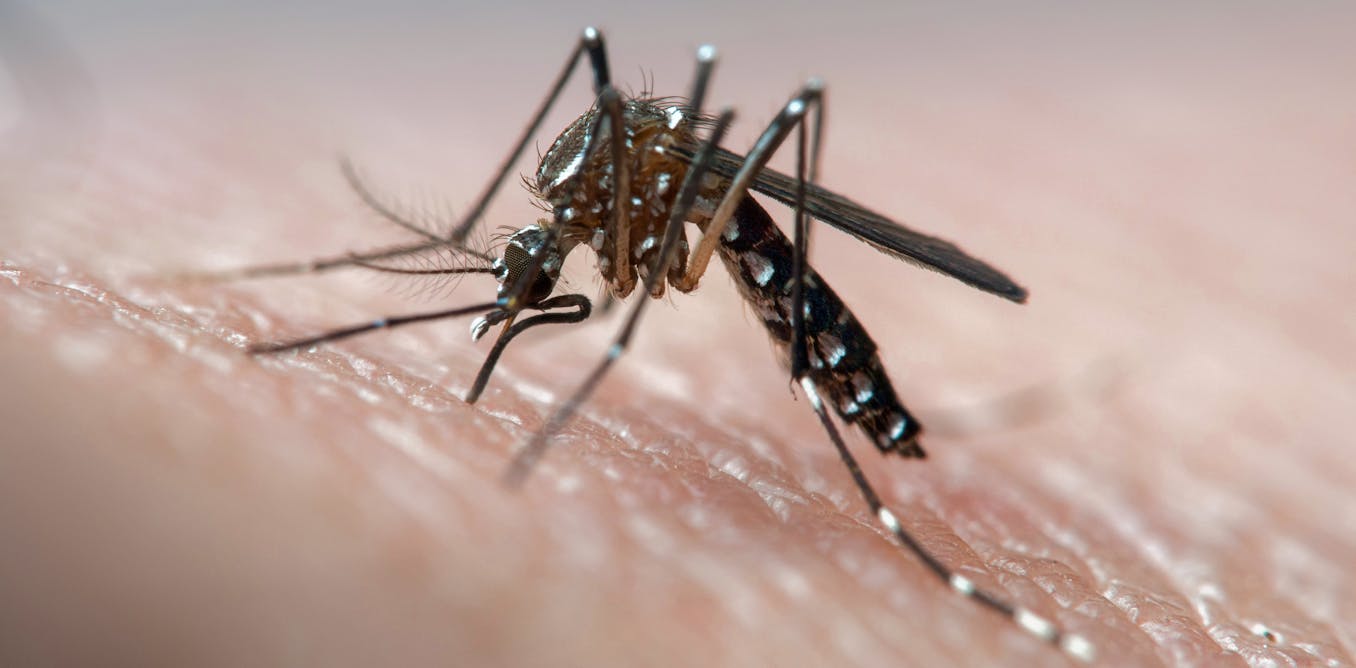 Australian trials show releasing genetically modified mosquitoes can effectively reduce disease-carrying populations