
 How atomic oxygen in low Earth orbit gradually degrades spacecraft materials and influences ISS maintenance and design
KillBait - News highlights delivered clearly and responsibly—no clickbait, no sensationalism
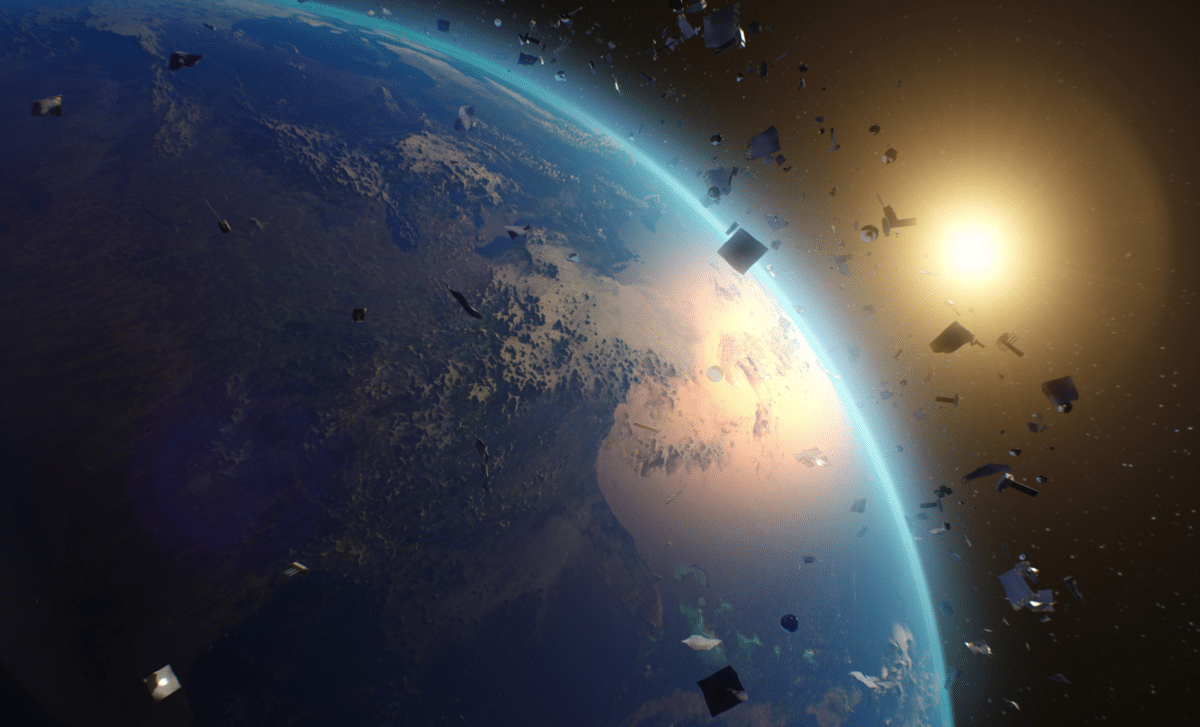
Photo: The Daily Galaxy - Great Discoveries Channel
2026-05-19 03:18 Science 12 


Modern Spacecraft Materials Increase Risk of Surviving Debris Reentering Earth's Atmosphere
The increasing use of heat-resistant materials in spacecraft is changing the way space debris behaves during reentry, raising safety concerns worldwide.Traditionally, satellites and rocket components would disintegrate completely when reentering Earth's atmosphere, posing minimal risk.
However, modern spacecraft use carbon fiber-reinforced plastics and advanced alloys that survive extreme heat, allowing larger fragments to reach the surface.
Incidents include debris from SpaceX's Dragon capsules and carbon fiber components carrying pressurized gases, found in North America, Australia, and Europe.Researchers are studying ways to modify these materials so they can safely disintegrate without compromising spacecraft performance.
The physics behind reentry involves objects traveling at over 17,000 miles per hour colliding with atmospheric molecules, generating heat above 3,000°F.While traditional materials melt, advanced composites can endure longer, making debris less predictable.The surge in space launches—from roughly 100 annually in 1960 to over 4,500 by 2025—exacerbates this issue.International regulations aim to limit orbital debris, with proposals to shorten satellite deorbit timelines.Engineers are applying 'design for demise' principles to ensure spacecraft can burn up safely while in orbit.
As launch activity grows, managing the balance between spacecraft efficiency and controlled reentry will be critical for public safety and sustainable space operations.
Full reading at The Daily Galaxy - Great Discoveries Channel
2224
Original title: Falling Space Debris Could Soon Become a Global Safety Issue, Scientists Warn
The AI system has determined that this news is clickbait/sensationalist: : The original title uses urgent language ('Could Soon Become a Global Safety Issue') and implies imminent danger, which is more sensational than the actual measured concerns described in the article. This has coincided with the opinion of the majority of users.
You may also be interested in...
How atomic oxygen in low Earth orbit gradually degrades spacecraft materials and influences ISS maintenance and design
 New deep-sea octopus species discovered near the Galápagos Islands at extreme depth
 Researchers Identify Superconducting Gap and Electron Coupling in Nickelate Superconductors