
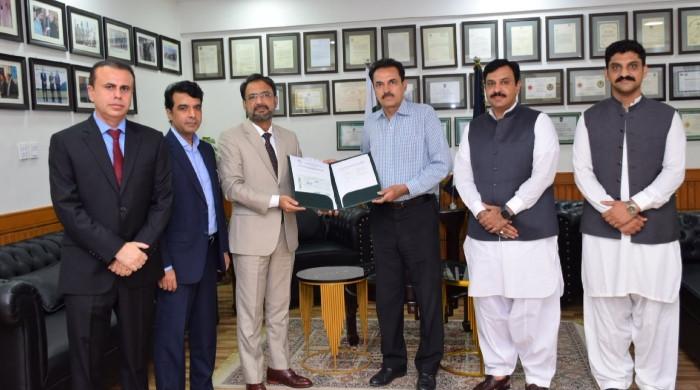
 NAB transfers recovered assets worth Rs4.1 billion to Rawalpindi Development Authority in embezzlement case
KillBait - News highlights delivered clearly and responsibly—no clickbait, no sensationalism
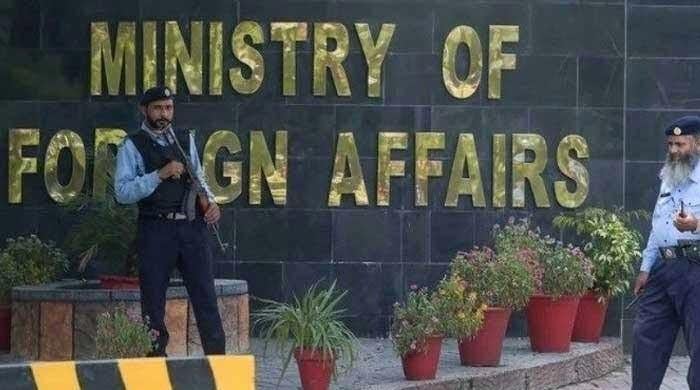
Photo: geo.tv
2026-07-02 10:58 Geopolitics 10 


Pakistan rejects India’s claims over cross-border strikes, calls statement baseless and misleading
Pakistan has strongly rejected India’s statement regarding Islamabad’s recent military actions targeting alleged terrorist infrastructure in Afghanistan, terming it baseless, misleading and politically motivated.
According to the Foreign Office spokesperson, Pakistan’s strikes were “legitimate, targeted and proportionate” measures aimed at dismantling terrorist hideouts operating across the Pakistan-Afghanistan border region.
Islamabad accused India of historically interfering in the sovereignty of neighbouring countries and violating the UN Charter, while also alleging that New Delhi is involved in supporting and facilitating terrorist groups operating from Afghan territory against Pakistan.
The Foreign Office further claimed that India’s narrative is part of a broader attempt to undermine Pakistan’s counterterrorism operations and regional stability efforts.
The statement also reiterated Pakistan’s position on the Kashmir dispute, accusing India of continuing human rights violations and denying the right to self-determination of Kashmiris in Indian Illegally Occupied Jammu and Kashmir.
Pakistan maintained that its security actions are in line with international law and are necessary to ensure the safety of its citizens amid a rising wave of militant attacks.
Separately, Pakistan’s Information Minister stated that security forces conducted calibrated and intelligence-based strikes under Operation Ghazab lil-Haq, targeting militant hideouts in border regions of Afghanistan including Paktia, Paktika, and Kunar.Officials claimed that between 25 to 29 militants were killed and multiple weapons depots were destroyed.
The government highlighted a surge in terrorism since 2021 following political changes in Afghanistan and pointed to recent cross-border incidents as justification for its actions.
The ongoing tensions between Pakistan and India, alongside instability along the Afghan border, continue to fuel diplomatic friction and security concerns in the region.
2186
Original title: Pakistan rejects India's preposterous statement on strikes against Afghan terror infrastructure
The AI system has determined that this news is not clickbait/sensationalist: : The title uses strong language such as 'preposterous' but it accurately reflects the diplomatic tone of rejection and is not misleading or exaggerated beyond the content of the article. This has coincided with the opinion of the majority of users.
You may also be interested in...
NAB transfers recovered assets worth Rs4.1 billion to Rawalpindi Development Authority in embezzlement case
 Pakistan introduces cashless payment system at all passport offices nationwide
 NDMA issues nationwide alert for GLOF, flash floods and landslides during active monsoon period