
 Chhattisgarh begins Assistant Teacher Recruitment 2026; applications open till August 21
KillBait - News highlights delivered clearly and responsibly—no clickbait, no sensationalism
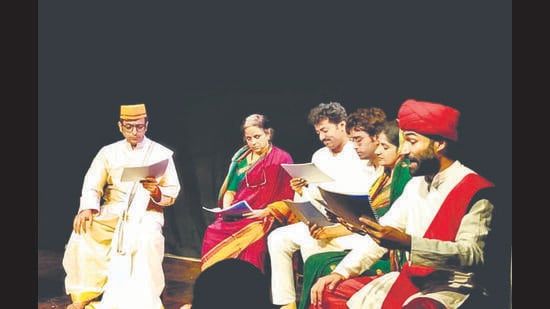
Photo: Hindustan Times
2026-07-26 09:38 Society 10


Phule’s Play Resonates With Modern Student Protests Over Education And Caste
The article discusses how Jyotiba Phule's 1876 play 'Trutiya Ratna' remains relevant today, resonating with ongoing student protests in India.The play critiques caste-based discrimination and the exclusion of marginalized communities from education.Phule, a 19th-century social reformer, challenged orthodox Brahminical norms by establishing schools for girls and empowering women like Savitribai.His work highlights systemic barriers to education and the need for inclusive policies.
Modern student protests against caste inequality and educational access mirror Phule's concerns, underscoring the enduring relevance of his activism.The piece also notes how recognition of figures like Phule is often delayed, requiring grassroots efforts to achieve societal change.It emphasizes the importance of integrating such historical narratives into contemporary discussions on Indian democracy and social justice.
Full reading at Hindustan Times
2186
Original title: Why Phule’s ‘Trutiya Ratna’ strikes a chord with student protests, 150 years on
The AI system has determined that this news is clickbait/sensationalist: : The original title uses dramatic language ('strikes a chord') to attract attention, which is typical of clickbait headlines. This has coincided with the opinion of the majority of users.
You may also be interested in...
Chhattisgarh begins Assistant Teacher Recruitment 2026; applications open till August 21
 Punjab's DBT scheme successfully transfers ₹1,149 crore to 33 lakh women
 Women Lead Anti-Drug Campaign in Punjab as Families Support Addiction Recovery