
 Doctor explains how diet and gut health may influence anxiety and mental wellbeing
KillBait - News highlights delivered clearly and responsibly—no clickbait, no sensationalism
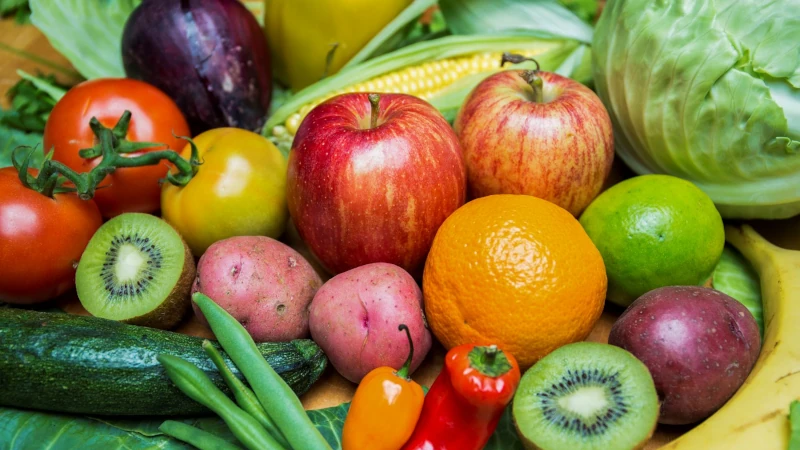
Photo: Where The Food Comes From
2026-05-21 11:55 Nutrition 13 


The Role of Fruits and Vegetables in Supporting Mental Health Across Lifespan
Mental health is a critical aspect of overall well-being, influenced by genetics, environment, social factors, and lifestyle habits, including diet.Recent research highlights that diets rich in fruits, vegetables, and other nutrient-dense whole foods are associated with improved mental health outcomes, including lower rates of anxiety and depression across all ages.
Studies consistently indicate that dietary patterns like the Mediterranean and MIND diets, which emphasize fruits, vegetables, whole grains, nuts, seeds, and omega‑3–rich foods, support emotional well-being, cognitive health, and stress resilience.Key mechanisms include reducing inflammation and oxidative stress, supporting neurotransmitter function, and promoting a healthy gut-brain axis.
Children and adolescents also benefit from consistent access to balanced, fruit- and vegetable-rich meals, which are linked to better mood, optimism, and overall emotional health.
Public health recommendations increasingly emphasize integrating dietary guidance into mental health promotion as a practical, preventive approach that can simultaneously reduce chronic disease risk.
Overall, consuming at least five servings of fruits and vegetables daily can be an accessible and evidence-based strategy to enhance both mental and physical health across the lifespan.
Full reading at Where The Food Comes From
2241
Original title: What Research Says About Fruits, Vegetables, And Mental Well-Being Across All Ages
The AI system has determined that this news is not clickbait/sensationalist: : The original title accurately reflects the article’s focus on research connecting fruit and vegetable consumption to mental well-being across all ages. It is informative rather than sensational. This has coincided with the opinion of the majority of users.
You may also be interested in...
Doctor explains how diet and gut health may influence anxiety and mental wellbeing
 Study suggests banana-containing smoothies may reduce absorption of beneficial flavanols
 Plant-Based Diet Linked to Reduced Weight Gain in Midlife Women During Menopause