
 Maine Community Successfully Moved a Meeting Hall Nine Miles by Sea in 1951
KillBait - News highlights delivered clearly and responsibly—no clickbait, no sensationalism
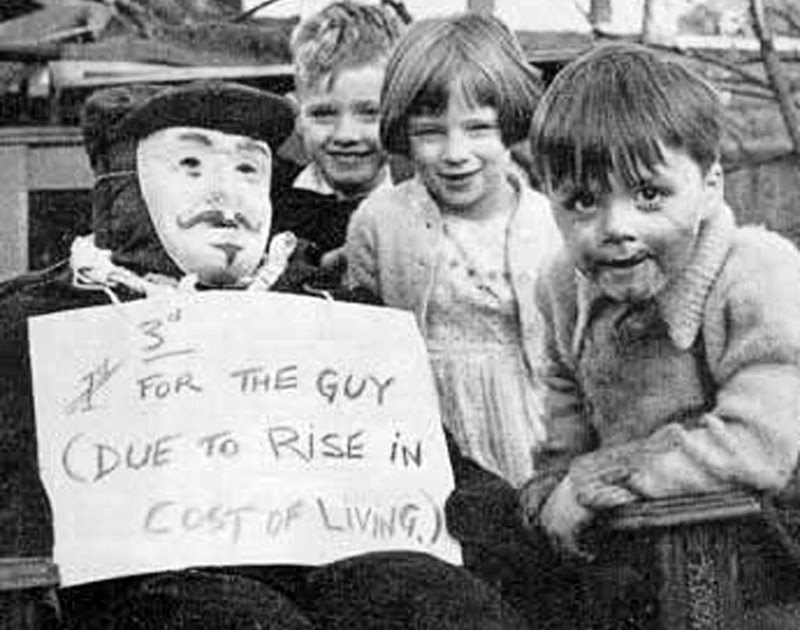
Photo: vintag.es
2026-05-24 17:18 History 12 


The Tradition of “Penny for the Guy” in Mid-20th Century Britain and Its Decline
“Penny for the Guy” was once a central part of British childhood culture, especially during the mid-20th century around Bonfire Night on November 5th.
Before Halloween traditions like trick-or-treating became widespread in the United Kingdom, children engaged in this communal activity by creating effigies of Guy Fawkes.
These figures were made from old clothing stuffed with materials such as newspaper, straw, or leaves, and were often topped with makeshift heads made from pillows or cardboard masks.
Once completed, children would transport the effigies through neighborhoods using prams, wheelbarrows, or carts, displaying them in public areas like street corners, outside shops, pubs, or transport stations.While doing so, they would ask passersby for donations by chanting phrases like “Penny for the Guy, mister?” or “Penny for the Guy, lady?
” The money collected during this activity was typically used to purchase fireworks, including sparklers, rockets, and Catherine wheels, or small treats such as toffee apples and soda.
On Bonfire Night itself, the effigies were traditionally placed on top of large bonfires and burned as part of the celebration commemorating the failed Gunpowder Plot of 1605.
The practice was highly communal, with neighborhoods often competing to create the most impressive Guy Fawkes figure, and children frequently participating with minimal adult supervision.Over time, the tradition began to decline in the late 20th century.
Several factors contributed to its disappearance, including increased regulation of fireworks for safety reasons, the rise of organized public bonfire displays, and the growing popularity of American-style Halloween celebrations.
As a result, “Penny for the Guy” gradually faded from everyday British childhood experiences, becoming more of a nostalgic memory than a living tradition.
2224
Original title: Who Did “Penny for the Guy Back” in the Day?
The AI system has determined that this news is not clickbait/sensationalist: : The title is phrased as a historical question but is neutral and informational rather than sensational or misleading. It does not use exaggerated claims or emotional bait typical of clickbait headlines. This has coincided with the opinion of the majority of users.
You may also be interested in...
Maine Community Successfully Moved a Meeting Hall Nine Miles by Sea in 1951
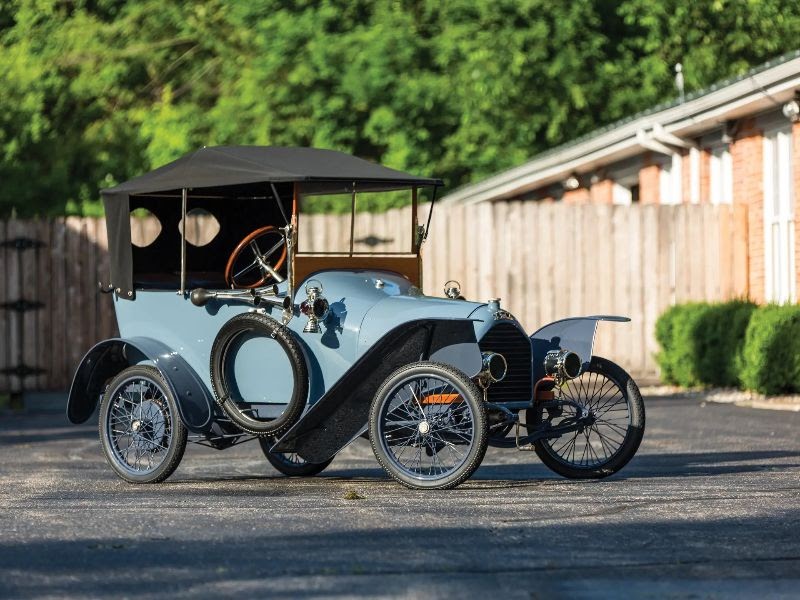 The 1914 Peugeot Bébé and the Birth of the Early Affordable City Car
 Rethinking Sexuality in Prehistory: Cooperation, Social Bonds, and Evolutionary Strategy