
 Studio Portraits of African American Women in the Late 19th Century Showcasing Elegance and Resilience
KillBait - News highlights delivered clearly and responsibly—no clickbait, no sensationalism
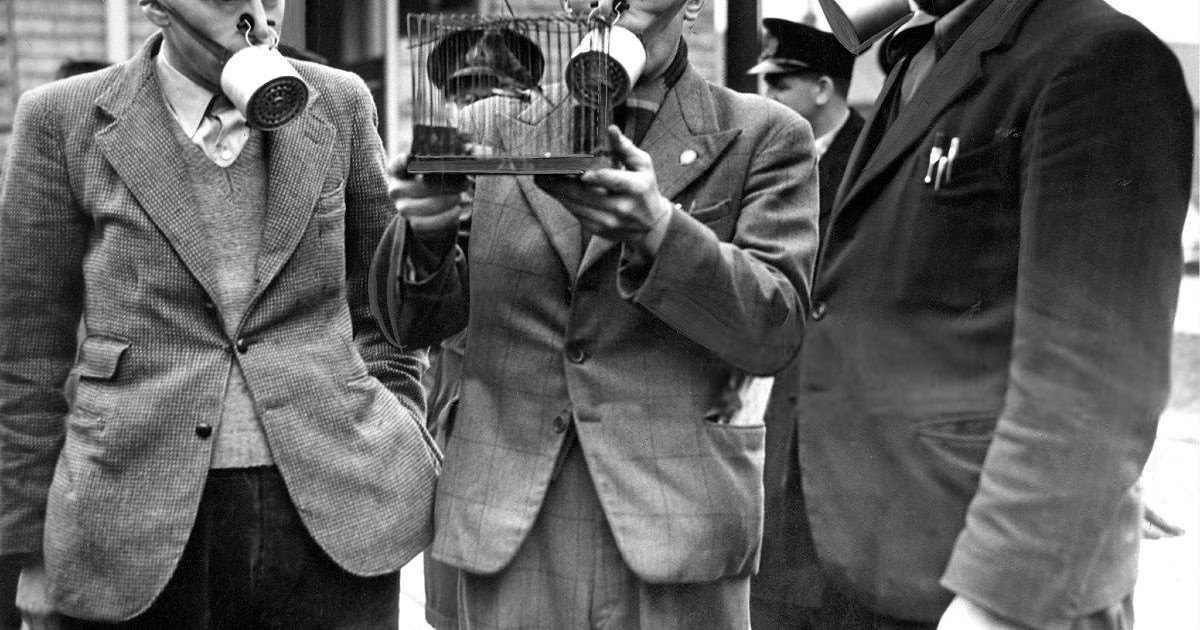
Photo: vintag.es
2026-05-22 18:56 History 17 


The Use of Canaries as Biological Early Warning Systems in Coal Mines
The use of canaries in coal mines started in the late 19th century as a life-saving measure against invisible toxic gases.British scientist John Scott Haldane proposed the idea in 1895 after investigating mine disasters, realizing that carbon monoxide poisoning caused most deaths following explosions.
Canaries were chosen because of their highly efficient respiratory systems, which include air sacs that deliver a double dose of oxygen and any toxins with each breath.
Due to their small size and rapid metabolism, canaries react to carbon monoxide about 20 times faster than humans, showing distress by stopping their songs and falling unconscious well before miners felt symptoms.This provided crucial time for evacuation.Miners formed strong bonds with these birds, treating them as companions rather than disposable tools.Haldane also invented a special resuscitator cage with an oxygen supply to revive affected canaries quickly.The practice became mandatory in Britain in 1911 and spread to other countries including the US and Canada.Primitive methods like flame tests with lamps had failed to detect carbon monoxide reliably.The tradition continued into the 1980s until electronic gas detectors replaced the birds in December 1986.
Many mining communities kept aviaries afterward as tributes to the thousands of lives saved by these small yellow birds over nearly a century of service.
2299
Original title: The History of Canaries in Coal Mines
The AI system has determined that this news is not clickbait/sensationalist: : The original title is descriptive and directly reflects the article's historical content without exaggeration or sensationalism. This has coincided with the opinion of the majority of users.
You may also be interested in...
Studio Portraits of African American Women in the Late 19th Century Showcasing Elegance and Resilience
 19th-Century Russian Kokoshnik Headdress and Its Cultural Significance
 A Glimpse into American Teen Life in the 1950s Through Photographs