
 Doctor explains how diet and gut health may influence anxiety and mental wellbeing
KillBait - News highlights delivered clearly and responsibly—no clickbait, no sensationalism
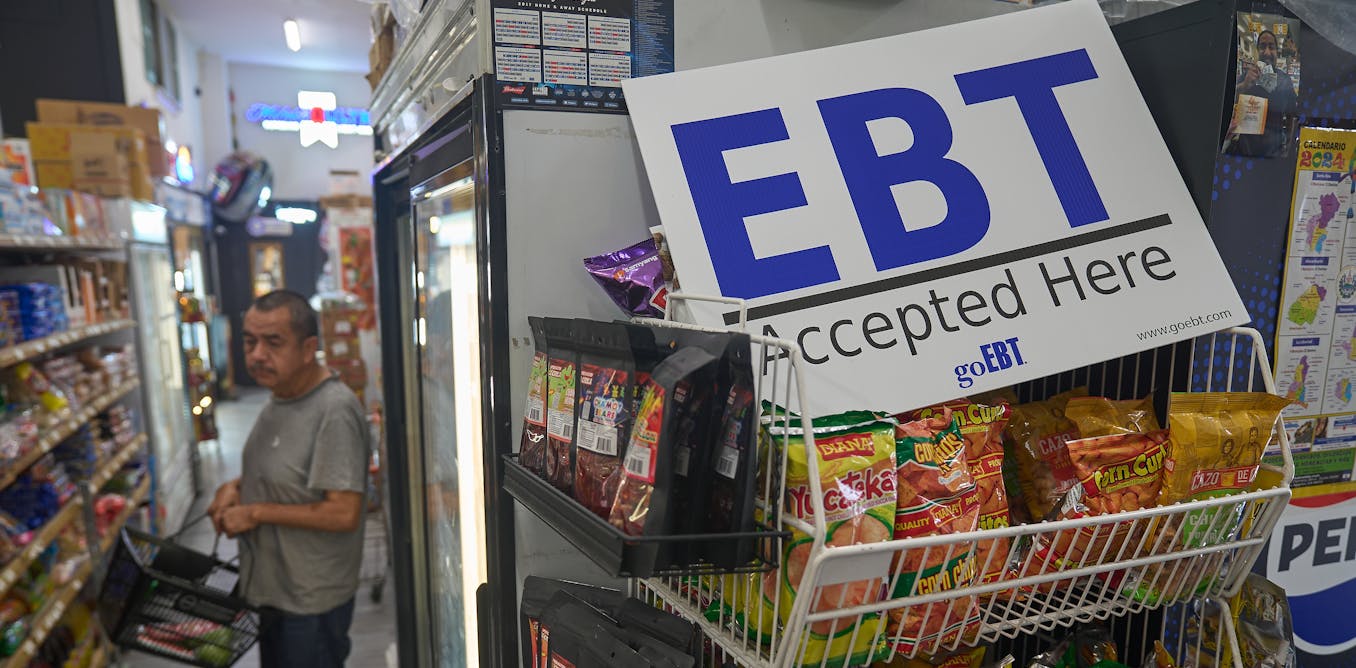
Photo: The Conversation
2026-05-19 18:54 Nutrition 12 


USDA’s New SNAP Store Requirements May Limit Access for Low-Income Shoppers
Starting November 4, 2026, retailers accepting SNAP benefits must meet stricter requirements, including offering at least seven items in four staple food categories—dairy, produce, grains, and protein—with some perishable options.The USDA aims to encourage healthier food choices for Americans using SNAP, the country’s largest nutrition assistance program.
While supermarkets are largely unaffected, many small stores such as corner markets and convenience stores may struggle to comply due to sourcing, stocking, and staffing challenges.
Combined with state-level restrictions on what SNAP benefits can be used to purchase, these rules may prompt some small retailers to stop accepting SNAP, reducing access to groceries in low-income communities.Additionally, the number of SNAP recipients has declined by around 10% between June 2025 and February 2026 following federal eligibility changes.
Past initiatives to help small stores stock healthier food have shown mixed results and often require ongoing support, which the USDA is not providing.
Experts warn that limiting access to SNAP-accepting stores could worsen diet quality for beneficiaries, undermining the program’s core mission of treating participants like any other consumer while ensuring food security.
Full reading at The Conversation
2224
Original title: New SNAP rules requiring that benefits be used at stores selling healthier food could backfire
The AI system has determined that this news is clickbait/sensationalist: : The original title exaggerates potential consequences using the word 'backfire' without fully explaining the nuanced challenges, which can attract clicks by implying immediate harm or failure. This has coincided with the opinion of the majority of users.
You may also be interested in...
Doctor explains how diet and gut health may influence anxiety and mental wellbeing
 Study suggests banana-containing smoothies may reduce absorption of beneficial flavanols
 Plant-Based Diet Linked to Reduced Weight Gain in Midlife Women During Menopause