KillBait Archive Tanzania - News highlights delivered clearly and responsibly—no clickbait, no sensationalism
TNBC Approves Plan for International Financial Centre in Dar es Salaam to Strengthen Investment and Capital Access
Business 2026-06-03 17:17 22

TNBC Approves Plan for International Financial Centre in Dar es Salaam to Strengthen Investment and Capital Access

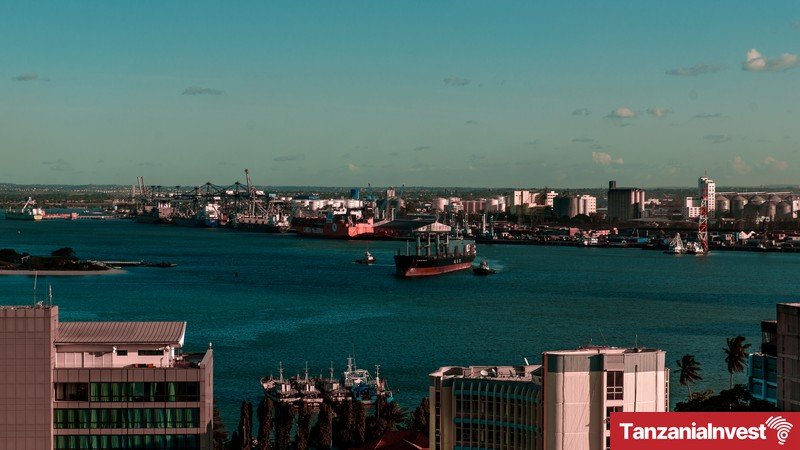
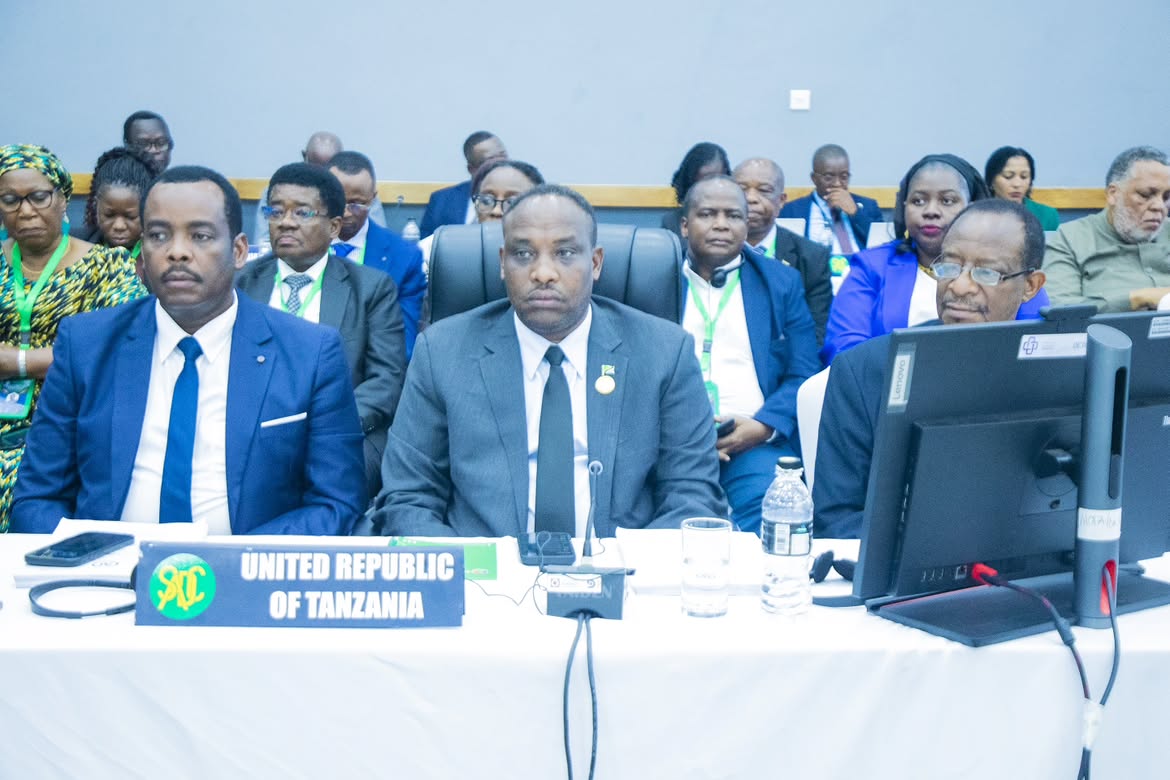
Tanzania has taken a significant step towards establishing an International Financial Centre (IFC) in Dar es Salaam following a decision reached during the 38th Executive Committee meeting of the Tanzania National Business Council (TNBC) held on 1 June 2026. The initiative is intended to improve Tanzania’s competitiveness in attracting both local and international investment, expand access to financing for major development projects, and create new employment opportunities. According to TNBC Executive Committee Chairman and Principal Secretary Ambassador Moses Kusiluka, the proposal responds to concerns raised by the private sector regarding obstacles that continue to affect investment activities. Bank of Tanzania Governor Emmanuel Tutuba explained that Tanzania now meets key requirements for hosting an international financial centre, including political stability, strong security conditions, and a banking sector capable of operating according to international standards. Dar es Salaam was selected because of its established commercial infrastructure and business environment. The proposed centre is expected to attract capital from Africa and other regions, facilitate international financial transactions, and support technology and knowledge transfer through the participation of global financial experts. Tutuba also noted that Tanzania’s membership in both the East African Community (EAC) and the Southern African Development Community (SADC) gives investors access to a large regional market. A dedicated legal and regulatory framework is expected to be developed to encourage investment and safeguard investor capital. TNBC Executive Secretary Dr. Godwill Wanga said the project has been anticipated by both local and foreign business operators and is expected to increase trade, investment flows, and economic growth. The proposal originated from recommendations made by the TNBC Finance Working Group in March 2026. The development supports Tanzania’s broader Vision 2050 objectives and reinforces Dar es Salaam’s ambition to become a leading regional financial and commercial hub.
Tanzania Forward Dismas Shida Athanasi Named Top Scorer with Three Goals at CAF U-17 Tournament in Morocco
Sports 2026-06-03 16:50 28

Tanzania Forward Dismas Shida Athanasi Named Top Scorer with Three Goals at CAF U-17 Tournament in Morocco

Tanzania has big reason to celebrate after young footballer Dismas Shida Athanasi won the Golden Boot at the TotalEnergies CAF Under-17 Africa Cup of Nations held in Morocco in 2026. The 14-year-old forward from Tanzania scored three goals to become the leading scorer of the whole competition. This achievement helped the Serengeti Boys reach the final for the first time in the country's history. Athanasi showed great skill and maturity despite being the youngest player in the tournament. He scored one goal against Mozambique in the group stage and two goals in the quarter-final against Algeria, which ended in a 3-3 draw before Tanzania won on penalties. The team also defeated Egypt in the semi-finals through a shootout. Although they lost to Senegal in the final on penalties after a 1-1 draw, Tanzania's journey was very impressive and historic for East African football. Athanasi's performance was not just about goals but also his confidence and understanding of the game. He played across the attacking positions and gave the team good options in difficult matches. This success means Tanzania has also qualified for the FIFA U-17 World Cup. Many other players scored two goals each, including his teammate Ramadhani Mbegelendi, but Athanasi came out on top. The young star has dreams to play in big European clubs one day, but during the tournament he focused on helping his national team. This tournament will be remembered as a proud moment for Tanzanian and East African football.
Rising Anti-Immigrant Tensions in South Africa Linked to Economic Challenges and Political Responses
Politics 2026-06-03 16:14 19

Rising Anti-Immigrant Tensions in South Africa Linked to Economic Challenges and Political Responses

A report by The Africa Report examines the rise of xenophobic sentiment and violence in South Africa as the country approaches local elections scheduled for November 2026. South Africa remains one of Africa’s most industrialised economies and has long attracted migrants from across the continent. According to figures cited in the article, the country hosted around 2.4 million immigrants in 2022 within a population of approximately 63 million people. Migration into South Africa has historical roots dating back to the apartheid era, when workers from neighbouring countries were recruited as low-cost labour for mines and farms. Following the democratic transition in 1994, migrant workers increasingly found employment in sectors such as hospitality, security, transport and other service industries. The article argues that growing hostility toward foreign nationals is being fuelled by economic frustrations, declining public services and persistent unemployment. Rather than addressing structural economic problems and the deterioration of public utilities, some political leaders are accused of blaming migrants for social and economic difficulties. The report suggests that this approach risks deepening social divisions while failing to resolve the underlying causes of public dissatisfaction. As election campaigning intensifies, anti-immigrant rhetoric has become more visible, raising concerns about further violence and discrimination against foreign communities. The article presents xenophobia not simply as a migration issue but as a reflection of broader economic and governance challenges facing South Africa, highlighting the gap between the country's democratic and economic aspirations and the realities experienced by many citizens.
Agriculture, Blue Economy and Technology Drive Growing Investment Interest in Tanzania
Business 2026-06-03 11:50 31

Agriculture, Blue Economy and Technology Drive Growing Investment Interest in Tanzania

Stakeholders at the Tanzania Impact Investment Forum (TIIF) held in Dar es Salaam said agriculture, the blue economy, technology and forestry value chains are becoming the main sectors attracting both development finance and private investment in Tanzania. While agriculture continues to dominate investment discussions, investors are increasingly looking at value-added activities, innovation-driven businesses and sustainable sectors with strong growth potential. According to participants, areas such as fisheries, marine resources, agribusiness, digital technology and forestry enterprises are benefiting from growing global demand for sustainable and impact-focused investments. Ms Luiana Temba, a managing director of a Kenya-based business advisory firm, noted that these sectors are playing a major role in promoting inclusive economic growth and attracting local and international capital. Despite the opportunities, access to finance remains a significant challenge, especially for small and medium-sized enterprises (SMEs). Data presented during the forum showed that SMEs across sub-Saharan Africa face an estimated financing gap of about $861 billion. Around 40 percent of SMEs identify limited access to financing as their biggest obstacle, while Africa receives only about 12 percent of global impact investment flows. Business representatives highlighted practical examples of growth opportunities. Agricultural exporters reported improved access to international markets through investment networks, with rising demand for Tanzanian products such as coffee, cashew nuts, cocoa and sesame. Agro-processing entrepreneurs emphasised the need for greater value addition, noting that much agricultural produce is still sold in raw form and that post-harvest losses remain high. Participants also pointed to recycling and environmental businesses as attractive investment areas. A plastic recycling company reported processing more than 5,000 tonnes of plastic and creating over 1,000 jobs in a single year, demonstrating both economic and environmental benefits. Overall, the forum concluded that unlocking innovative financing models will be critical for scaling these high-potential sectors and strengthening Tanzania’s economic development.
Tanzania reports Sh422.9 billion in loans issued to over 82,000 women through special banking windows
Society 2026-06-03 11:34 15

Tanzania reports Sh422.9 billion in loans issued to over 82,000 women through special banking windows

The Ministry of Community Development, Gender, Women, and Special Groups in Tanzania has reported that Sh422.9 billion has been disbursed to 82,699 women through special lending windows created within commercial banks. The announcement was made on June 1, 2026, during the presentation of the ministry’s budget for the 2026/27 financial year. These special windows are designed to improve women’s access to formal financial services by offering tailored credit products, often combined with financial training to support women entrepreneurs and borrowers in managing loans effectively. According to the ministry, the initiative forms part of broader efforts to strengthen financial inclusion for women and encourage their participation in the formal banking system. In addition to the women-focused lending programmes, commercial banks in Tanzania also issued Sh1.8 trillion in loans to small businesses between July 2025 and April 2026, with women-owned businesses accounting for 24.6 percent of that total lending. The government has encouraged more women to take advantage of these formal credit systems instead of relying on informal lenders, which are often considered expensive and risky. Despite these efforts, data shows that men still dominate borrowing from formal financial institutions. For example, Bank of Tanzania statistics covering 2018 to 2022 indicate that out of loans totalling Sh50.3 trillion issued through banks to individuals, the majority of beneficiaries were men. Mobile financial services also played a significant role, disbursing about Sh602 billion and reaching over 3.5 million people, with men again forming the larger share of borrowers. The report highlights ongoing gender gaps in access to formal credit, even as targeted initiatives for women continue to expand within the banking sector.
Ethiopia Accelerates Economic Reforms Amid Debate Over Risks to Domestic Industries
Economy 2026-06-03 06:25 27

Ethiopia Accelerates Economic Reforms Amid Debate Over Risks to Domestic Industries

Ethiopia is going through one of the biggest economic transitions in its recent history as Prime Minister Abiy Ahmed’s government pushes ahead with major liberalisation reforms. After many years of relying on a state-led development model, the country is opening key sectors of the economy, including foreign exchange, banking, telecommunications and logistics, to greater competition and private-sector participation. Supporters of the reforms argue that Ethiopia needs fresh investment, improved efficiency and stronger competition to sustain growth and modernise its economy. They believe that attracting foreign capital and expertise could help address long-standing structural challenges and improve economic performance. However, the reforms have also raised concerns among analysts and critics. They warn that the speed of the liberalisation process may expose domestic businesses, financial institutions and ordinary households to significant economic shocks. One of the most notable changes has been the move toward a more flexible exchange-rate system for the Ethiopian birr, alongside plans to allow foreign banks greater access to the market and reforms intended to modernise logistics services. Critics argue that local firms may not yet be prepared to compete effectively with stronger international players. There are also concerns that regulatory institutions may lack the capacity to manage the transition smoothly, potentially leading to instability or increased economic pressure on citizens. The debate centres not on whether Ethiopia should become more open economically, but on whether the country is implementing reforms at a pace that matches the readiness of its businesses, regulators and consumers. The article places these developments within a broader assessment of African economic performance, noting that Ethiopia has slipped in recent continental rankings despite its previous reputation as one of Africa’s fastest-growing economies. The success or failure of the current reforms could play a major role in determining Ethiopia’s future economic trajectory.
President Samia Appoints Ummy Mwalimu as Presidential Advisor for Reproductive, Maternal and Child Health
Politics 2026-06-03 05:45 28

President Samia Appoints Ummy Mwalimu as Presidential Advisor for Reproductive, Maternal and Child Health

President Samia Suluhu Hassan has appointed former Health Minister Ummy Mwalimu as Presidential Advisor on Reproductive, Maternal and Child Health. The appointment was announced on June 2, 2026, through a statement issued by the Directorate of Presidential Communications at State House. In her new position, Mwalimu will serve within the Office of the President and provide advisory support on matters related to reproductive health, maternal healthcare and child wellbeing. Ummy Mwalimu is a senior leader of the ruling Chama Cha Mapinduzi (CCM) party and is one of Tanzania’s most experienced public officials in the health sector. Her government service includes several high-profile Cabinet appointments over the last decade. She first joined the Cabinet in 2015 under former President John Magufuli, serving as Minister for Health, Community Development, Gender, Elderly and Children. She later held positions as Minister of State in the Vice President’s Office responsible for Union Affairs and Environment and Minister of State in the President’s Office responsible for Regional Administration and Local Government. In 2022, she returned to lead the Ministry of Health. Throughout her public service career, Mwalimu has been closely associated with healthcare reforms, programmes aimed at improving maternal and child health outcomes, and broader social welfare initiatives. Her appointment is seen as bringing extensive experience in public health policy to the Presidency. While the government confirmed her new role, it did not immediately provide detailed information regarding her specific responsibilities, mandate or objectives. The announcement nevertheless highlights continued attention by the government to reproductive, maternal and child health issues as important areas of national development and public welfare.
Tanzania–Brazil Cotton with Decent Work Project Shows Major Progress in Reducing Child Labour in Cotton Sector
Society 2026-06-02 23:52 36

Tanzania–Brazil Cotton with Decent Work Project Shows Major Progress in Reducing Child Labour in Cotton Sector

The Cotton with Decent Work project, jointly implemented by the Governments of Tanzania and Brazil in collaboration with the International Labour Organization (ILO), has reported strong progress in addressing child labour within Tanzania’s cotton farming communities. The initiative, which started in January 2025 and is expected to end in December 2026, is focused on strengthening public institutions, workers’ unions, and employers’ organisations so that they can better implement policies aimed at eliminating child labour. Speaking in Dar es Salaam during a three-day meeting on child labour in cotton farming, ILO Programme Officer Noreen Toroka explained that the project has made notable achievements, especially in improving labour inspection systems, enhancing occupational safety and health (OSH), and expanding access to social protection services for farming communities. Meatu District in Simiyu Region was identified as the main implementation area due to its high cotton production and history of child labour challenges. The project has also supported exchange programmes between Tanzania and Brazil, where officials from the Prime Minister’s Office, OSHA, and other stakeholders learned best practices in labour inspection and workers’ rights. These experiences have helped improve training for labour inspectors, psychosocial support services, and safety measures in the cotton value chain. Special labour inspections carried out during the 2024 and 2025 harvest seasons covered Meatu, Shinyanga, and Mwanza, reaching 30 Agricultural Marketing Cooperative Societies and four cotton processing factories with training on child labour risks and workplace safety. Brazil’s ILO representative, Fernanda Barreto, praised Tanzania’s progress, including the development of a national strategy to eliminate child labour and ongoing awareness campaigns. She also highlighted growing cooperation between Tanzania and Brazil to expand social protection systems for vulnerable agricultural workers. Both governments have expressed interest in extending the project into a new phase under trilateral cooperation with the ILO.
Mozambique Returns to ECSA-HC While Sao Tome and Principe Secures Observer Status
Health 2026-06-02 21:49 28

Mozambique Returns to ECSA-HC While Sao Tome and Principe Secures Observer Status

Mozambique has officially rejoined the East, Central and Southern Africa Health Community (ECSA-HC), strengthening regional cooperation in public health across eastern, central and southern Africa. The decision was confirmed during ministerial meetings and marks an important step in improving collaboration on health challenges that affect multiple countries in the region. By re-entering the organisation, Mozambique will benefit from coordinated disease surveillance systems, technical expertise, health workforce development programmes, and joint responses to public health emergencies. The move comes at a time when regional health security has become increasingly important following lessons learned from the COVID-19 pandemic. Mozambique continues to face major health challenges, including malaria, HIV/AIDS, tuberculosis, and disease outbreaks linked to natural disasters such as cyclones. Participation in ECSA-HC will help the country access shared resources, training opportunities, and regional funding mechanisms while improving coordination with neighbouring countries on cross-border health issues. At the same time, Sao Tome and Principe has been granted observer status within the organisation. This status allows the island nation to participate in meetings, training activities, and technical discussions without assuming the full obligations of membership. The arrangement provides access to regional health knowledge and support while preserving flexibility in its international commitments. Health specialists view both developments as evidence of a growing commitment among African countries to address health challenges through collective action. Regional cooperation is increasingly seen as an effective way to strengthen healthcare systems, improve preparedness for outbreaks, and optimise limited resources. For Mozambique and Sao Tome and Principe, closer engagement with ECSA-HC is expected to support better health outcomes and contribute to stronger regional health security across Africa.
Nigeria and South Africa Face a Critical Test as Economic Reforms Aim to Restore Growth
Economy 2026-06-02 19:45 24

Nigeria and South Africa Face a Critical Test as Economic Reforms Aim to Restore Growth

Nigeria and South Africa, the two biggest economies in Africa, are entering an important period as both countries try to recover from years of economic and structural challenges. For more than a decade, Nigeria struggled with costly fuel subsidies and an inefficient foreign exchange system that weakened economic performance and limited growth. At the same time, South Africa faced severe infrastructure problems, particularly in electricity generation, ports and rail transport, which reduced productivity and discouraged investment. According to the article, recent reforms in both countries have created renewed optimism that the two economic giants can regain momentum. However, the success of these reforms is far from guaranteed. Leaders in both nations must transform difficult and often unpopular policy changes into tangible improvements in living standards, employment opportunities and business confidence. The article highlights that political pressures, global economic uncertainty and domestic challenges could still undermine progress. If governments fail to deliver visible benefits to citizens, public support for reform efforts may weaken. External shocks, including fluctuations in global markets and commodity prices, also remain significant risks. The discussion appears within The Africa Report's broader assessment of Africa’s top-performing countries in 2026. The ranking suggests that major shifts are taking place across the continent, with some countries improving their positions while others have fallen behind. Within this context, Nigeria and South Africa are viewed as countries with the scale and influence to shape Africa’s economic future, provided they can overcome long-standing structural weaknesses and maintain reform momentum.

Country editions:

Top Trends
Topics
Top visited